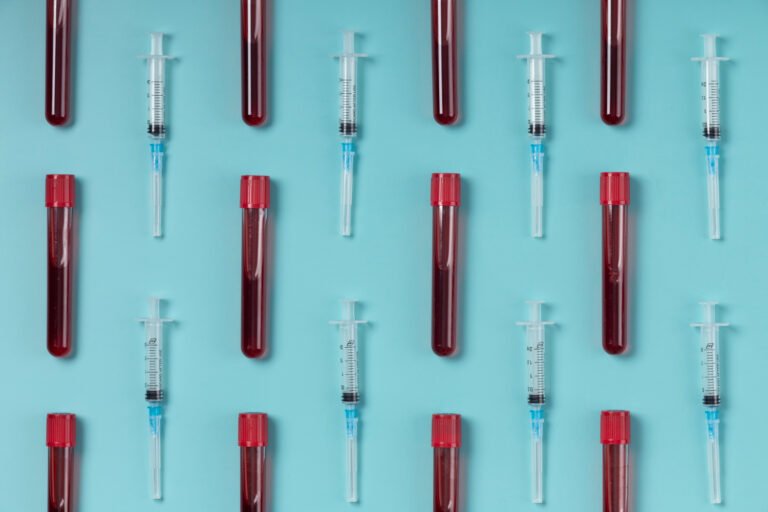
First, what are blood collection tubes?
Tiny glass or plastic tubes are used for collecting blood. They are used to hold your blood after a doctor or nurse takes it from your body. These tubes are important. They keep your blood safe so it can be tested in a lab. Now, the colors on the caps are not just for fun. Each color tells the nurse or lab person what is inside the tube. Some tubes have special chemicals inside. These are called “additives.” These additives can do different things. Some stop your blood from clotting (that means they keep it liquid). Others help it clot, which means the blood becomes thicker.
Some tubes have no additive at all. So, each color has a reason. And each tube is used for a different kind of blood test.
Why Do We Need So Many Different Tubes?
Good question. It’s because there are many different blood tests. Not every test needs the same kind of blood. Let’s say the doctor wants to check your sugar level. That blood needs to stay a certain way. But if they want to check your red blood cells, that’s a different kind of test. So one test might need your blood to stay liquid. Another test might need it to clot. One might only use the clear part of your blood. Another might use the red part. This is why different tubes are needed. Each is designed for a particular type of test.
Let’s Look at the Most Common Tubes (And What They Do)
Below, you’ll see a list of the most used tubes in blood testing. Each one has a color. Each one has a job. And we’ll explain what each one is used for—in very simple words.
1. Red-Top Tube
This tube is easy to understand. It has nothing inside—no chemicals, no powders.
Used for:
- Checking your antibodies
- Testing drug levels in your blood
- Some chemistry tests
- Blood bank tests
- This tube lets your blood clot on its own. The clear portion of the blood, known as serum, is later used by medical professionals.
2. Yellow-Top Tube
This one has a gel and something that helps the blood clot.
Used for:
3. Purple (or Lavender) Top Tube
This tube has a special chemical called EDTA. This keeps the blood from clotting. So the blood stays just like it is inside your body.
Used for:
- Complete blood count (CBC)
- Red and white cell counts
- Infection checks
- Blood grouping
Doctors use this tube when they want to look closely at your blood cells.
4. Blue-Top Tube
This one has sodium citrate, another chemical that stops clotting.
Used for:
- Bleeding and clotting tests
- Pre-surgery tests
- Monitoring the time it takes for your blood to form a clot
- This tube needs to be filled just right. If it’s too full or too empty, the test may be wrong.
5. Green-Top Tube
This tube contains heparin, another additive that stops clotting.
Used for:
- Kidney function tests
- Blood gas tests
- Special tests like genetics
- This one gives us plasma, which is the clear liquid part of blood before it clots.
6. Grey-Top Tube
This one is for sugar testing. It has fluoride, which stops the sugar in your blood from changing after it’s taken.
Used for:
- Glucose (sugar) tests
- Alcohol level tests
- Lactic acid tests
Without fluoride, your sugar levels could drop before they even reach the lab.
7. Black-Top Tube
Not many people have seen this one, but it has a special job.
Used for:
- Erythrocyte sedimentation rate
- ESR is a test that helps detect inflammation or swelling in the body. This tube must be filled carefully. The level must be just right.
Why Do the Colors Matter So Much?
Think about this: A nurse is getting ready to take blood. She has a box full of tubes. If all tubes were the same color, it would be easy to pick the wrong one. That would be bad. But with color-coded tops, she can grab the right one without guessing. It’s faster. It’s safer. And it helps avoid mistakes. So the colors are not just pretty—they are part of a safety system.
What Happens After the Blood Is Taken?
After your blood is inside the tube, the nurse may shake it gently (not hard) to mix the blood with the additive. Then she will put a label on the tube—with your name, your age, and maybe a number. This helps the lab know whose blood it is.
Then the tube goes to the lab. In the lab:
- Some tests are done on whole blood
- Some tests need only the serum or plasma
- So the blood might be spun in a machine to separate the parts
This machine is called a centrifuge. It spins really fast and helps split the blood into:
- Red blood cells
- White blood cells
- Platelets
- Plasma or serum (the clear part)
- Each part is used for a different test.
Are These Tubes Safe?
Yes, they are very safe. These tubes are made in very clean places. They are sealed and kept away from dust and germs. Each tube is used only once and then thrown away. Still, not all tubes are the same. Some are made better than others. Bad-quality tubes can break, leak, or give wrong results. That’s why people choose brands they trust. And Aarvi Touch is one of those brands known for clean, safe, and good medical products.
How many Tubes Do They Take?
It depends. Sometimes just one. Sometimes three, five, or even more. Don’t worry if they take many. It doesn’t mean you are very sick. It just means the doctor wants to check different things. The body makes new blood all the time, so it’s okay.
Who Uses This Tubes?
These tubes are used all over the world—anywhere people get their blood tested.
- Hospitals
- Clinics
- Labs
- Blood banks
- Mobile vans
- Schools (during health checkups)
- Health camps
- At home (with home testing services)
- Wherever blood is tested, these tubes are used.
What If Someone Uses the Wrong Tube?
If the wrong tube is used, the blood might not be good for the test. The results can be wrong. That’s why doctors, nurses, and lab workers are trained very well. And the color codes help them avoid these mistakes.
A Quick Color Table (Just to Remember)
| Tube Color | What’s Inside | What It’s For |
|---|
| Red | Nothing | Serum, drug tests, antibodies |
| Yellow | Gel + clot agent | Vitamins, liver, hormone tests |
| Purple | EDTA | Cell counts, infections |
| Blue | Sodium citrate | Clotting and bleeding tests |
| Green | Heparin | Kidney, blood gases, special tests |
| Grey | Fluoride | Sugar and alcohol tests |
| Black | Citrate | ESR (inflammation check) |
Helpful Tips
- Never use an expired tube
- Don’t shake the tube too hard
- Store tubes in a cool, dry place
- Use it only once
- Label it clearly
Choose good-quality tubes for best results
Final Words
Blood tubes may look small and simple, but they play a big role in health care. Each tube has a special purpose and helps doctors understand your health better. Now that you’ve read this guide, you know more than most people, you understand the colors and what each tube does. So next time you go for a test, you won’t feel lost or confused.
When you need blood collection products that are clean, trusted, and safe, remember Aarvi Touch, one of the top Blood Collection Tubes Manufacturers in Ahmedabad. They are a name people count on around the world. If you have questions or want to place an order, contact us today!