
Common Challenges in Surgical Product Supply and How Suppliers Solve Them
In today’s healthcare system, good quality surgical products are very important. Hospitals, clinics, nursing homes, and diagnostic centers depend on safe and reliable medical products every day. Items like disposable gloves, masks, PPE kits, wound care products, blood collection items, and diagnostic test kits help doctors and nurses treat patients safely and smoothly. If these products are not available on time or are of poor quality, patient care can suffer.
This is why the role of a trusted Surgical Product Supplier in Ahmedabad is very important. Aarvi Touch works behind the scenes to make sure hospitals and labs always have the medical supplies they need. But supplying surgical products is not an easy job. There are many challenges that suppliers face every day. Let’s understand these challenges in simple words and see how good suppliers overcome them.
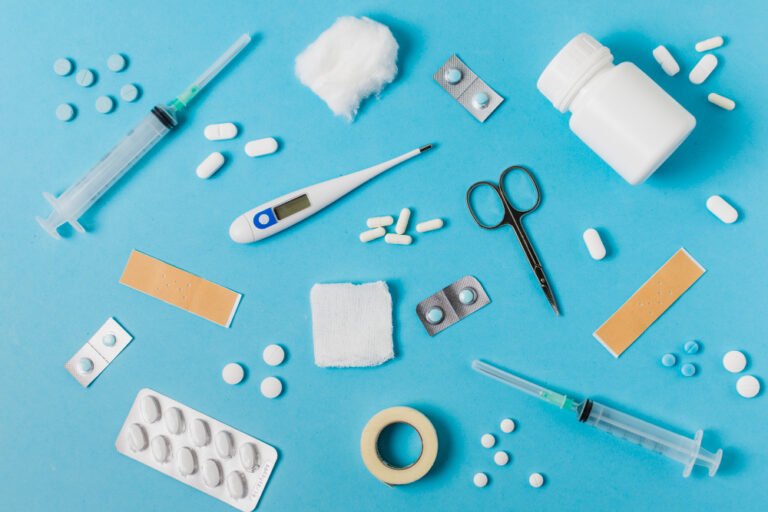
1. Maintaining Product Quality and Safety
One of the biggest challenges for any surgical product supplier is maintaining good quality. Medical products directly affect patient health. If gloves tear easily, if PPE kits are not strong, or if wound care products are not clean, patients can get infections. This can cause serious health problems. Suppliers must make sure that every product they supply is safe and meets quality standards. They need to check products carefully before sending them to hospitals. This includes checking raw materials, proper packaging, and cleanliness. Diagnostic test kits also need to be accurate, because wrong results can lead to wrong treatment. They work only with trusted manufacturers and brands. They test products in batches and make sure everything is packed and stored properly. By focusing on quality, they help hospitals and clinics provide safe treatment to patients.
2. Managing Inventory and Stock Properly
Another common problem is managing stock. Medical products are used every day in large numbers. Items like gloves, masks, syringes, blood collection tubes, and diagnostic test kits are always in demand. If a supplier runs out of stock, hospitals may face shortages, which can delay treatment or surgery. On the other hand, keeping too much stock can also be a problem. Some products have an expiry date. If they are not used in time, they go to waste and cause losses.
To solve this problem, good suppliers use proper inventory management systems. They track how much stock is available and how fast it is being used. They also study hospital demand patterns. For example, during flu season or health emergencies, the demand for PPE and diagnostic test kits increases. By planning in advance, suppliers can make sure that the right products are available at the right time.
3. Following Rules and Government Regulations
The healthcare industry has many rules and regulations. Every medical product must follow safety guidelines and legal requirements. These rules are made to protect patients and healthcare workers. However, following these rules can be challenging for suppliers. Each product, whether it is a surgical glove, wound dressing, or diagnostic test kit, must come with proper certificates and documents. If any document is missing, the product may not be allowed to be sold. This can cause delays and legal problems. They keep themselves updated with the latest rules and standards. They maintain proper paperwork and make sure all products are approved and certified. This helps hospitals feel confident that they are using legal and safe medical products.
4. Ensuring Timely Delivery
In healthcare, time is very important. Delayed delivery of surgical products can cause serious problems. Surgeries may be postponed, patient care can be affected, and doctors may not be able to perform their work properly. Suppliers often face challenges in transportation, traffic, or sudden increases in demand. During emergencies like pandemics or disease outbreaks, the demand for PPE kits, masks, gloves, and diagnostic test kits can increase suddenly. They build strong delivery systems. They work with reliable transport partners and plan delivery routes carefully. They also keep buffer stock so they can quickly respond to urgent orders. By doing this, they make sure hospitals get what they need on time.
5. Adapting to New Technology and Products
Medical technology is always changing. New diagnostic test kits, better quality gloves, advanced PPE, and improved wound care products are introduced regularly. Suppliers need to stay updated with these changes. If a supplier continues to provide only old products, hospitals may not get the benefits of new and better medical solutions. This can affect patient care and hospital performance. They regularly update their product range. They learn about new medical products and train their team to understand how these products work. This helps hospitals get modern, effective, and reliable medical supplies.
6. Building Trust with Hospitals and Clinics
Trust is very important in the medical supply business. Hospitals and clinics want to work with suppliers they can depend on. If a supplier fails to deliver on time or provides low-quality products, hospitals may stop working with them. Building trust takes time. Suppliers need to communicate clearly, provide correct information, and solve problems quickly. When hospitals have questions about products, suppliers should guide them properly. They build long-term relationships with healthcare providers. They listen to their needs and offer helpful solutions. This creates strong partnerships and makes the supply process smoother.
7. Managing Costs and Price Changes
The cost of raw materials and manufacturing can change over time. This affects the price of medical products. Sometimes prices increase suddenly, which can be difficult for hospitals, especially smaller clinics with limited budgets. They also need to manage their own costs while keeping prices affordable for healthcare providers. This is a big challenge. To handle this, smart suppliers plan their purchases carefully. They buy in bulk, work with multiple manufacturers, and manage their expenses wisely. This helps them offer fair prices without compromising on quality.
8. Handling Bio-Medical Waste and Environmental Responsibility
Hospitals produce a lot of medical waste, such as used gloves, masks, PPE kits, syringes, and test materials. If this waste is not disposed of properly, it can harm the environment and public health. Suppliers play a role in guiding hospitals about proper waste disposal. Some suppliers also provide bio-medical waste management solutions. They educate healthcare staff about safe disposal practices and help them follow government rules. In recent years, there is also a growing focus on eco-friendly products. Suppliers are slowly introducing products that are safer for the environment. This helps reduce the overall environmental impact of healthcare activities.
9. Being Ready for Emergencies
The COVID-19 pandemic showed how important it is to be prepared for emergencies. During that time, there was a huge shortage of PPE kits, masks, gloves, and diagnostic test kits. Many suppliers were not ready for such a sudden increase in demand. They learn from such experiences. They now keep emergency stock and have backup plans. They also work with multiple manufacturers so that if one supplier fails, they can get products from another source. This helps ensure continuous supply even during crisis situations.
Conclusion
Supplying surgical and medical products is not just about selling items. It involves many responsibilities and challenges. From maintaining product quality and managing stock to following rules, delivering on time, and being ready for emergencies, suppliers play a very important role in the healthcare system. A reliable Surgical Product Supplier in Ahmedabad understands these challenges and works hard to overcome them. Aarvi Touch is an example of a supplier that focuses on quality, timely delivery, fair pricing, and strong relationships with hospitals and clinics. By providing products like disposable gloves, PPE kits, wound care products, diagnostic test kits, laboratory supplies, and bio-medical waste solutions, they support healthcare providers in delivering safe and effective patient care.
Choosing the right supplier helps hospitals and clinics focus on what truly matters, taking good care of patients. Connect with us today!