
Step-by-Step Guide to Using an ESR Pipette Correctly
In every laboratory, accuracy plays a very important role. Even a small mistake during sample collection or testing can affect the final report. One of the most commonly used tools in pathology and diagnostic labs is the ESR pipette. It helps measure the erythrocyte sedimentation rate (ESR), which is an important blood test used to detect inflammation in the body.
Many healthcare centers, clinics, and laboratories depend on high-quality lab products to maintain testing accuracy. This is why choosing trusted Lab Equipment Suppliers in Ahmedabad becomes essential for smooth laboratory operations. Aarvi touch provides a wide range of laboratory and disposable medical products designed to support hospitals, diagnostic centers, and healthcare professionals with reliable quality.
In this blog, we will explain everything you need to know about using an ESR pipette correctly, including preparation steps, handling methods, common mistakes, cleaning tips, and safety precautions.
What Is an ESR Pipette?
An ESR pipette is a specially designed glass or plastic tube used to measure the sedimentation rate of red blood cells in a blood sample over a fixed period, usually one hour. The ESR test helps doctors identify inflammation, infections, autoimmune disorders, and other medical conditions. The pipette is generally marked with measurement lines that help laboratory professionals record accurate readings during the testing process.
Why Is Correct ESR Pipette Usage Important?
Using an ESR pipette properly is important because even a small error can produce incorrect results. Accurate ESR readings help doctors make better treatment decisions for patients.
Incorrect handling may lead to:
- Wrong test readings
- Contaminated samples
- Delayed diagnosis
- Repeated testing
- Increased laboratory errors
This is why laboratories prefer buying reliable products from professional Lab Equipment Suppliers in Ahmedabad who focus on quality and safety standards.
What Materials Are Needed Before Using an ESR Pipette?
Before starting the procedure, make sure all required materials are ready.
Basic Items Required
- ESR pipette
- Anti coagulated blood sample
- ESR stand
- Rubber suction device or filler
- Gloves
- Disinfectant solution
- Cotton or tissue
- Waste disposal container
A clean and properly organized workspace helps reduce contamination risks and improves testing accuracy.
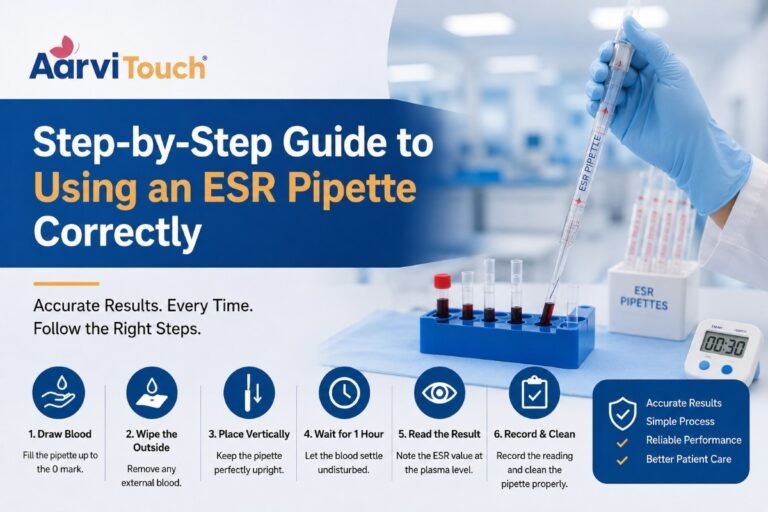
Step-by-Step Guide to Using an ESR Pipette Correctly
Step 1: Wear Protective Equipment
Before handling any blood sample, always wear disposable gloves and other protective equipment if required. Safety is extremely important in laboratory procedures. Using PPE reduces the risk of contamination and protects healthcare workers from exposure to infectious materials.
Step 2: Prepare the Blood Sample
Mix the anti coagulated blood sample gently before using it. Do not shake the sample aggressively because it can damage blood cells and affect ESR results. Make sure the sample is fresh and properly labeled.
Step 3: Check the ESR Pipette Carefully
Inspect the ESR pipette before use.
Check for:
- Cracks
- Dust particles
- Blockages
- Damaged markings
A damaged pipette can lead to inaccurate measurements. Always use clean and high-quality laboratory products supplied by trusted vendors like Aarvi touch.
Step 4: Fill the ESR Pipette Properly
Attach the suction device carefully and draw the blood sample into the pipette slowly. Fill the pipette exactly up to the required marking line. Avoid overfilling or underfilling because it can affect the test result.
Important Tip:
Air bubbles should not be present inside the pipette. Air bubbles may interfere with sedimentation readings.
Step 5: Place the Pipette Vertically
Insert the filled ESR pipette into the ESR stand carefully. The pipette must remain completely vertical during the testing period. A tilted pipette can produce inaccurate readings. Ensure the stand is placed on a stable surface away from vibration or direct sunlight.
Step 6: Wait for the Required Time
The standard ESR testing time is usually one hour.
During this period:
- Do not disturb the setup
- Avoid moving the stand
- Maintain room temperature conditions
Any unnecessary movement can change sedimentation behavior and impact the final result.
Step 7: Record the Reading
After one hour, observe the separation between plasma and red blood cells. Read the measurement carefully from the pipette markings and record the result accurately. Proper documentation is essential for patient records and future diagnosis.
What Are the Common Mistakes While Using an ESR Pipette?
Many laboratory errors happen because of improper handling techniques. Understanding common mistakes can help improve testing accuracy.
1. Incorrect Blood Level Filling : Filling above or below the marked line may produce false ESR values.
2. Presence of Air Bubbles : Air bubbles interrupt the normal sedimentation process and create inaccurate readings.
3. Using a Dirty Pipette : Dust or residue inside the pipette can contaminate the sample.
4. Tilting the Pipette : Even a slight angle can affect the sedimentation rate.
5. Delayed Testing : Testing should begin soon after sample collection for accurate results.
How Can Laboratories Maintain ESR Pipette Accuracy?
Proper maintenance is very important for laboratory instruments.
Cleaning Tips
- Wash reusable pipettes immediately after use
- Use recommended disinfectants
- Dry completely before storage
- Store in a clean and dust-free area
Disposable pipettes should never be reused. Aarvi touch supports healthcare facilities with quality disposable and laboratory products that help maintain hygiene and operational efficiency.
Why Do Laboratories Prefer Disposable ESR Products?
Disposable laboratory products have become highly popular because they reduce contamination risks and improve convenience.
Benefits Include:
- Better hygiene
- Reduced cleaning workload
- Lower infection risk
- Time-saving workflow
- Improved laboratory safety
Modern diagnostic centers often choose disposable products from experienced Lab Equipment Suppliers in Ahmedabad to maintain quality standards and ensure patient safety.
How Does Proper ESR Testing Help Doctors?
An ESR test alone does not diagnose a disease, but it gives doctors useful information about inflammation inside the body.
Doctors may recommend ESR testing for conditions such as:
- Arthritis
- Autoimmune disorders
- Infections
- Chronic inflammation
- Certain cancers
Accurate laboratory reporting helps doctors plan further medical investigations and treatments.
What Safety Precautions Should Be Followed During ESR Testing?
Laboratory safety should always be a priority.
Essential Safety Practices
- Always wear gloves
- Handle blood samples carefully
- Dispose of waste properly
- Avoid direct contact with body fluids
- Use sterilized equipment
- Follow biomedical waste disposal rules
Healthcare facilities should always source products from reliable Lab Equipment Suppliers in Ahmedabad who understand medical safety requirements and quality standards.
How to Choose the Right ESR Pipette Supplier?
Choosing the right supplier is important for maintaining laboratory quality and reliability.
Look for Suppliers Who Offer:
- Quality-certified products
- Safe packaging
- Disposable and reusable options
- Timely delivery
- Proper customer support
- Affordable pricing
Aarvi touch supplies a wide range of laboratory, diagnostic, and disposable healthcare products designed for hospitals, clinics, pathology labs, and healthcare professionals.
Frequently Asked Questions About ESR Pipettes
1. Can an ESR pipette be reused?
Reusable glass ESR pipettes can be reused after proper cleaning and sterilization. Disposable pipettes should only be used once.
2. Why is the ESR test important?
The ESR test helps detect inflammation and supports doctors in diagnosing various health conditions.
3. What happens if the pipette is tilted?
A tilted pipette can give incorrect sedimentation readings and affect test accuracy.
4. How long does ESR testing take?
The standard ESR test usually takes one hour.
5. Can air bubbles affect ESR results?
Yes, air bubbles can interfere with blood sedimentation and produce inaccurate readings.
Final Thoughts
Using an ESR pipette correctly is very important for obtaining accurate laboratory results. From proper sample preparation to correct positioning and careful reading, every step matters in maintaining testing quality. Laboratories and healthcare centers should always focus on using reliable products, maintaining hygiene standards, and following proper testing procedures. Aarvi touch continues to support healthcare professionals by supplying quality laboratory and disposable medical products for safe and efficient healthcare operations.
As healthcare standards continue to improve, trusted Lab Equipment Suppliers in Ahmedabad play an important role in helping laboratories maintain accuracy, safety, and efficiency in everyday diagnostic procedures. To get more details, Connect with us today!