
Understanding the importance of biohazard waste bag compliance
Biomedical waste management is one of the most important responsibilities of every healthcare facility. Whether it is a hospital, a diagnostic center, a pathology laboratory, a nursing home, a dental clinic or a surgical unit, each of these facilities generates waste that can pose serious health risks if not handled correctly. This is the reason biohazard waste bag compliance is not just a rule but a critical part of healthcare safety and environmental protection.
Every year millions of patients visit healthcare facilities for treatments, tests and surgeries. This results in a large amount of infectious waste such as used syringes, gloves , dressings , cotton blood soaked materials and laboratory waste. If this waste is not stored segregated, transported and disposed of properly it can expose workers, patients and the general public to harmful infections and toxic substances. In this blog Aarvi Touch trusted Bio Medical Waste Bags Manufacturers in Ahmedabad explains why compliance with biohazard waste bag standards is essential and how facilities can follow correct practices with confidence.
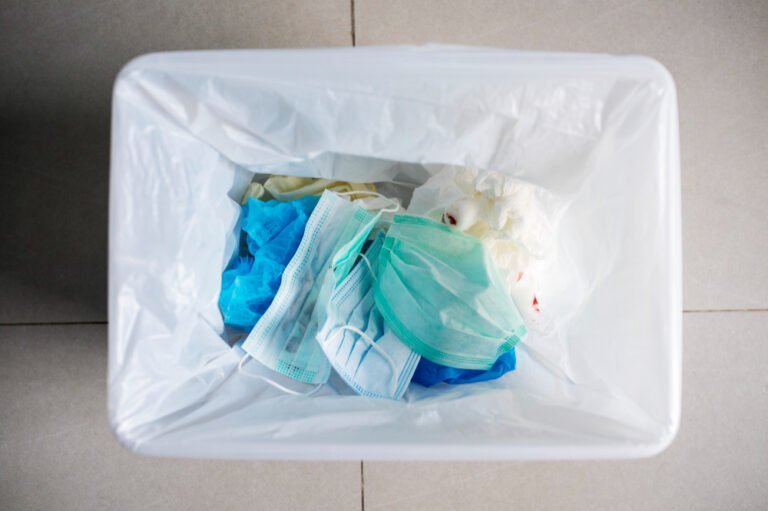
What Are Biohazard Waste Bags
Biohazard waste bags are specially created bags made from high strength materials to store and dispose of hazardous medical waste. These bags are designed to prevent leakage, resist punctures and stop contamination. They are used for materials that may carry harmful microorganisms, viruses and bacteria. These bags are color coded and labeled so that each type of waste can be identified and handled properly. This system helps workers easily understand where each type of waste must be placed. Proper segregation becomes the first step toward safe disposal. Biohazard waste includes items such as contaminated cotton gauze bandages used syringes blood bags body fluids tissues plastic medical items broken glass items sharps microbiological waste and more. Each of these materials can cause infections or injuries if not stored in the right type of bag.
Why Biohazard Waste Bag Compliance Matters
Protection of Healthcare Workers
Healthcare workers such as doctors, nurses , technicians , ward staff, cleaning staff and laboratory teams work around medical waste every single day. They are the first ones at risk if the waste is not stored properly. Correct compliance ensures that the bags are strong enough to resist leakage and accidental tears. This reduces the chances of injuries from sharps or exposure to contaminated materials.
Prevention of Disease Spread
Poor waste management can allow viruses and bacteria to spread quickly. Diseases like HIV Hepatitis B Hepatitis C Tuberculosis and many other infections can spread through contact with contaminated waste. Using proper biohazard waste bags that are strong leak proof and clearly marked ensures that the waste remains contained until it reaches the treatment facility.
Environmental Safety
Biomedical waste contains chemicals, blood tissues and infectious materials. If this waste gets mixed with normal waste it can pollute soil water and air. Improper disposal can cause long term damage to the environment. Biohazard bag compliance ensures that waste is segregated correctly and sent for treatment like incineration, autoclaving shredding or chemical treatment.
Legal Compliance and Avoiding Penalties
India has strict Biomedical Waste Management Rules that clearly define how waste must be handled. Healthcare facilities are legally required to follow these rules. Failure to comply can lead to severe penalties, financial fines and cancellation of licenses. Using the correct type of biohazard bags keeps the facility compliant and prevents legal issues.
Key Compliance Requirements for Biohazard Waste Bags
Correct Color Coding
Color coding is the foundation of biomedical waste segregation. Each color of bag represents a specific category of waste. For example red bags are used for contaminated plastic items yellow bags are used for human tissues anatomical waste and other infectious materials and blue or white bags are used for sharps plastic and glass items. Black bags are used only for non hazardous waste. Following this color system is extremely important for compliance.
Proper Labeling
Every bag must be clearly labeled with the biohazard symbol, the type of waste, the date of collection and the name of the healthcare facility. Proper labeling helps treatment facilities identify the content without opening the bags and helps track waste movement for audits and inspections.
Use of High Strength Material
A compliant biohazard bag must be leak proof tear resistant and puncture resistant. It must also be made from safe non chlorinated plastic material. Bags that do not meet these standards can break easily which increases the chance of infection and contamination.
Right Size and Capacity
Bags must be used according to their capacity. Overloading the bag weakens it and may cause spills. A good practice is to fill the bag only up to three fourths of its capacity. Once filled the bag should be tied or sealed securely.
Chemical and Temperature Resistance
Medical waste may contain chemicals, body fluids and sharp items. Bags must be able to withstand exposure to moisture chemicals and high temperature conditions during transportation and treatment.
Common Compliance Mistakes Healthcare Facilities Make
Even trained professionals sometimes make mistakes in waste management. Some common errors include mixing hazardous and non hazardous waste completely filling bags to the top using low quality bags improper color coding and not labeling the bags correctly. Another common mistake is not giving proper training to staff members, especially new employees or helpers. A single mistake can expose workers or cause contamination. This is why constant monitoring and proper training are essential.
How Aarvi Touch Supports Complete Compliance
Aarvi Touch supplies medical grade waste bags that follow all safety and government regulations. Our products undergo strict testing to ensure durability, strength and safety. We use quality materials that meet the requirements of Biomedical Waste Management Rules. We provide accurate color coding, clear labeling and reliable strength in every bag. Facilities can choose from multiple size options depending on their waste volume. Our products are suitable for hospitals, clinics , diagnostic centers, pathology labs and surgical units. We also offer bulk supply to ensure that healthcare facilities never run short of essential items.
Best Practices to Ensure Biohazard Waste Bag Compliance
- Healthcare facilities can follow several practical steps to maintain compliance
- Provide training to all medical and non medical staff members
- Use only certified and approved biohazard bags
- Avoid overfilling bags
- Follow color coding strictly
- Keep posters charts and instructions visible in every department
- Inspect bags regularly for tears leakage or wrong labeling
- Use a dedicated storage area for medical waste away from patients and general staff
- Maintain documentation of waste collected and waste handed over for treatment
- Review procedures during internal audits
These practices create a safer workplace and help facilities stay compliant at all times.
Conclusion
Biohazard waste bag compliance plays a major role in the safety of healthcare facilities. It protects workers, prevents the spread of infections and keeps the environment safe. It also ensures that healthcare facilities follow all legal requirements. Aarvi Touch supports the medical industry by providing high quality reliable and compliant biomedical waste bags that meet every standard. With the right products and the right practices healthcare facilities can maintain complete safety and protect the community. For more information, call us today!