
Petri Dishes Explained: Everything You Need to Know
Laboratories rely on many simple yet important tools for research, testing, and diagnosis, and one of the most essential among them is the Petri dish. From hospital labs and diagnostic centres to research institutes and microbiology labs, Petri dishes are used daily to grow and observe microorganisms, test samples, and support medical research. Because accurate results depend on good-quality lab tools, many healthcare facilities choose to buy these basic supplies from trusted Lab Equipment Suppliers in Ahmedabad who are known for providing reliable and standard products.
Aarvi Touch plays an important role in meeting the daily needs of laboratories by providing quality lab equipment and consumables. By sourcing Petri dishes and other essential lab items from a dependable supplier, labs can ensure better hygiene, accurate testing, and smooth day-to-day operations. This blog will explain what Petri dishes are, why they matter, how they are used, and what to consider while choosing the right ones.
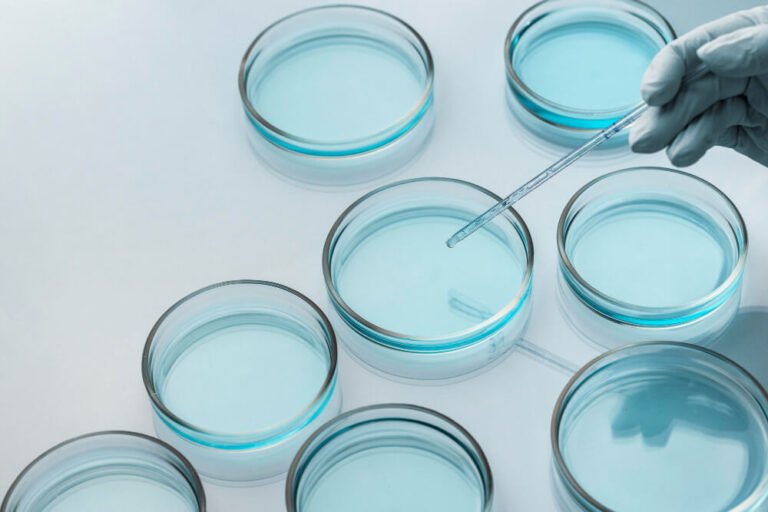
What is a Petri Dish?
A petri dish is a basic lab item, usually round in shape, made from glass or plastic. It is mainly used to grow bacteria, cells, and other microorganisms in a controlled environment. Petri dishes come with a lid to prevent contamination and are filled with growth materials like agar that help microbes and cells grow properly. They were invented in 1887 by German bacteriologist Julius Richard Petri and have since become an essential tool in laboratories. Today, petri dishes are widely used in microbiology, cell biology, and environmental science, and they play an important role in research, diagnostics, and vaccine development.
Key Uses of Petri Dishes
Petri dishes are mainly used to grow and observe microorganisms such as bacteria and fungi in laboratories. They help doctors and lab technicians identify infections, study how germs grow, and understand which medicines work best against them. In hospitals and diagnostic centres, Petri dishes are used for culture tests where patient samples like blood, urine, or swabs are checked for the presence of harmful bacteria. This helps in early detection of infections and supports accurate treatment.
Apart from medical use, Petri dishes are also widely used in research laboratories and educational institutes. Scientists use them to study cell behaviour, test new medicines, and carry out experiments related to microbiology and biotechnology. Students use Petri dishes to learn basic lab practices and understand how microorganisms grow. Even food and water testing labs use Petri dishes to check contamination and ensure safety standards are met.
What to Consider When Choosing Petri Dishes
When selecting Petri dishes for a laboratory, quality should always be the first priority. Good quality Petri dishes provide a clear view of samples, have a proper fitting lid, and maintain a clean surface for accurate observation. Poor-quality dishes may lead to contamination or unclear results, which can affect test accuracy and lab efficiency. It is also important to consider whether to choose disposable or reusable Petri dishes. Disposable plastic Petri dishes are commonly used in medical and diagnostic labs because they reduce the risk of cross-contamination and save time on cleaning and sterilisation. Reusable glass Petri dishes are more suitable for research labs and educational institutes where repeated use is required. The size and thickness of the Petri dish should also match the type of testing being performed.
Why Are Petri Dishes So Commonly Used in Laboratories?
Petri dishes are widely used because they are simple, practical, and effective for many types of laboratory work. Their flat, round shape provides enough surface area for microorganisms to grow and spread, making it easy to observe changes and patterns. Since they are transparent, lab professionals can easily monitor growth without opening the dish, which helps maintain a controlled environment.
Another reason for their popularity is convenience and safety. Disposable Petri dishes help maintain hygiene in busy labs where many samples are handled daily. They reduce the chances of contamination and support better infection control practices. Because they are affordable and easy to use, Petri dishes have become a standard tool in almost every laboratory, from small clinics to large research centres.
What Materials Are Petri Dishes Made From?
Petri dishes are generally made from glass or plastic. Glass Petri dishes are strong, durable, and can be sterilised and reused many times. They are mostly used in research laboratories and educational settings where long-term experiments are conducted. However, they require proper cleaning and handling to avoid contamination. Plastic Petri dishes are usually disposable and come pre-sterilised. These are commonly used in hospitals and diagnostic laboratories because they are lightweight, cost-effective, and safe for one-time use. Plastic dishes reduce the workload of sterilisation and help labs maintain better hygiene. Both types of Petri dishes serve their purpose, and the choice depends on the type of work and safety requirements of the laboratory.
What Role Do Suppliers Play in Supporting Modern Laboratories?
Suppliers play a very important role in helping laboratories function smoothly. They ensure that labs receive consistent quality products, including essential consumables like Petri dishes. Reliable suppliers understand the needs of medical and diagnostic labs and provide products that meet safety and quality standards. This helps labs perform tests accurately and without unnecessary delays.
In today’s fast-growing healthcare environment, laboratories need timely access to dependable equipment and consumables. Trusted suppliers support labs by maintaining steady stock, offering suitable product options, and ensuring compliance with industry standards. This partnership allows laboratories to focus on patient care, research, and diagnosis while depending on suppliers for their everyday lab needs.
Final Thoughts
Petri dishes may seem like small and simple lab items, but their importance in medical testing, research, and education is huge. They help in detecting infections, studying microorganisms, and supporting scientific advancements. Without Petri dishes, many routine lab procedures would become difficult and less reliable. Choosing the right quality Petri dishes and sourcing them from dependable suppliers can make a real difference in laboratory efficiency and safety. With proper selection and use, Petri dishes continue to play a key role in maintaining accurate results and supporting better healthcare outcomes.
If you are looking for reliable and quality laboratory consumables, choose a trusted supplier who understands your lab needs. Contact us today to get high-quality Petri dishes and a complete range of laboratory and medical products that support safe, accurate, and efficient lab work.