Aarvi Touch

Author: aarv33_ch1mp

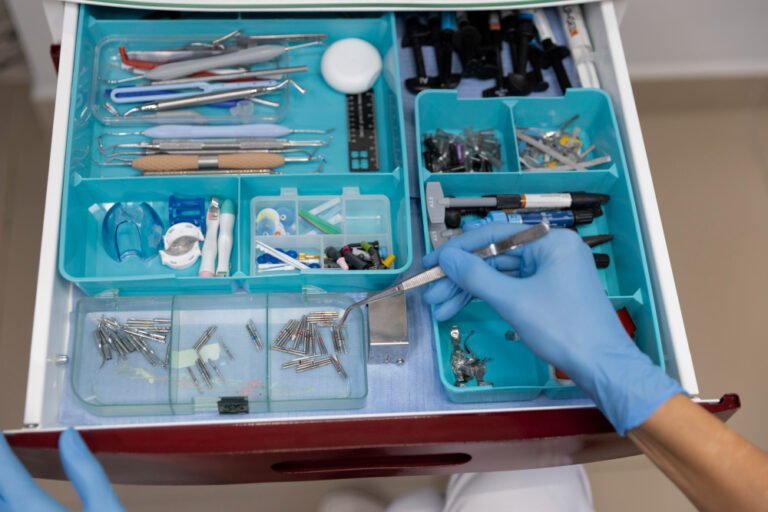
  • Common Mistakes to Avoid While Purchasing Lab Equipment

    Common Mistakes to Avoid While Purchasing Lab Equipment

    Common Mistakes to Avoid While Purchasing Lab Equipment

    Buying lab equipment is very important for any lab. Whether it is for a hospital, school, research lab, or any lab, good equipment helps you get correct results, makes work easier, and keeps the lab safe.

    But many people make mistakes when buying lab tools, and this can cause problems later. In this blog, we will talk about common mistakes to avoid and how to buy the right equipment. Following these tips will help you keep your lab safe, clean, and working well.

    1. Not Knowing What You Need

    One of the biggest mistakes is buying equipment without knowing what you really need. Every lab is different:

    • School labs need simple and easy tools.
    • Research labs need precise instruments.
    • Hospital labs need safe and easy-to-clean equipment.

    Before buying, make a list of what you need. Think about:

    • What will you use the equipment for?
    • How often will it be used?
    • How many people will use it?

    Buying without a plan can lead to equipment you don’t need.

    2. Ignoring Quality

    Some people buy tools only because they look good or are cheap. But quality is very important. Bad equipment can break easily or give wrong results.

    Check:

    • Is it made of strong material?
    • Is it safe to use?
    • Does it have any certificate or approval?

    Buying from trusted Lab Equipment Suppliers in Ahmedabad helps you get good and safe equipment that lasts long.

    3. Forgetting About Safety

    Safety is very important in a lab. Some equipment has safety features, and some don’t. Buying unsafe equipment can be dangerous.

    For example:

    • Electrical equipment should have automatic shut-off.
    • Chemical cabinets should be lockable and ventilated.
    • Microscopes and other tools should be easy to handle safely.

    Always ask the supplier about safety. Safe equipment protects your staff and lab.

    4. Not Checking Space

    Another mistake is forgetting to check if the equipment will fit in the lab. Some machines are big and need room to work properly.

    Before buying, measure the space in your lab. Also think about:

    • Enough room for people to move safely.
    • Proper airflow for the equipment.
    • Space for cleaning and maintenance.
    • Enough space keeps the lab safe and organized.

    5. Buying From Unknown Suppliers

    Buying from unknown suppliers is risky. You may get:

    • Bad-quality products
    • Late delivery
    • No help if equipment breaks

    It is better to buy from trusted suppliers. Good Lab Equipment Suppliers in Ahmedabad give real products, deliver on time, and help if there is a problem.

    6. Forgetting After-Sales Support

    Lab equipment may need help after buying, like installation or repairs. Many people ignore this and face problems later. Always check if the supplier offers after-sales support. A good Surgical Product Supplier in Ahmedabad will:

    • Help install equipment
    • Guide you on using it
    • Help if it stops working

    After-sales support is very important for long-term use.

    7. Not Checking Compatibility

    New equipment may not work well with old equipment in your lab. This is a common mistake.

    Before buying, check:

    • Does it need special software?
    • Does it need special power supply?
    • Will it fit with existing equipment?

    Ask the supplier about compatibility to avoid problems later.

    8. Forgetting Warranty

    Warranty protects you if the equipment stops working or is defective. Many buyers forget to check it. Always ask for a warranty and read it carefully. Good suppliers give a clear warranty and help if something goes wrong.

    9. Focusing Only on Price

    Some people buy only cheap equipment. Cheap equipment may cause more problems:

    • It may break easily.
    • It may give wrong results.
    • You may need to spend money on repairs.

    Focus on quality, safety, and durability. Trusted suppliers like Aarvi Touch provide equipment that lasts long and works properly.

    10. Not Reading Instructions

    Many users don’t read the instructions. This can cause mistakes or accidents.

    Always read the manual and follow instructions for:

    • Installing the equipment
    • Using it safely
    • Cleaning and maintaining it

    Proper usage keeps the equipment safe and working well for a long time.

    11. Forgetting Maintenance

    Some equipment needs regular maintenance to work properly. People forget this and notice problems when it stops working.

    Ask:

    • How often does it need maintenance?
    • Are there special cleaning steps?
    • Can the supplier help with maintenance?

    Proper maintenance keeps equipment working for years.

    12. Not Training Staff

    Some equipment is not easy to use. If staff are not trained, it can cause mistakes or accidents. Ask the supplier if they provide training. Small guidance can save time and problems.

    13. Ignoring Power and Energy Needs

    Some equipment needs a lot of electricity or special voltage. If you don’t check this, it may not work properly.

    Check:

    • How much electricity it uses
    • Does it need backup power?
    • Will it work with your lab’s electricity?

    This prevents sudden failures and stops delays.

    14. Not Checking Return Policy

    Sometimes equipment may not work as expected. Many buyers forget to check the return policy.

    Ask:

    • Can you return or replace defective equipment?
    • How long do you have to claim replacement?

    A good return policy gives peace of mind.

    15. Buying Too Many Things at Once

    Buying too many tools at the same time can cause problems:

    • Hard to store all equipment
    • Hard to manage maintenance
    • Confusing for staff

    Buy equipment step by step. Start with what you need most. This keeps the lab organized.

    Conclusion

    Buying lab equipment is not just picking tools. It needs careful planning, checking safety, and good support. Mistakes like ignoring quality, safety, space, compatibility, and after-sales support can make lab work harder.

    By avoiding these mistakes and choosing trusted suppliers like Aarvi Touch and certified Lab Equipment Suppliers in Ahmedabad, you can make sure your lab has safe, reliable, and easy-to-use equipment. Proper planning, careful buying, and following instructions will help your lab work smoothly and safely for many years. Call us today!
  • Why Surgical Hand Gloves Are Important in Medical Procedures?

    Why Surgical Hand Gloves Are Important in Medical Procedures?

    Why Surgical Hand Gloves Are Important in Medical Procedures?

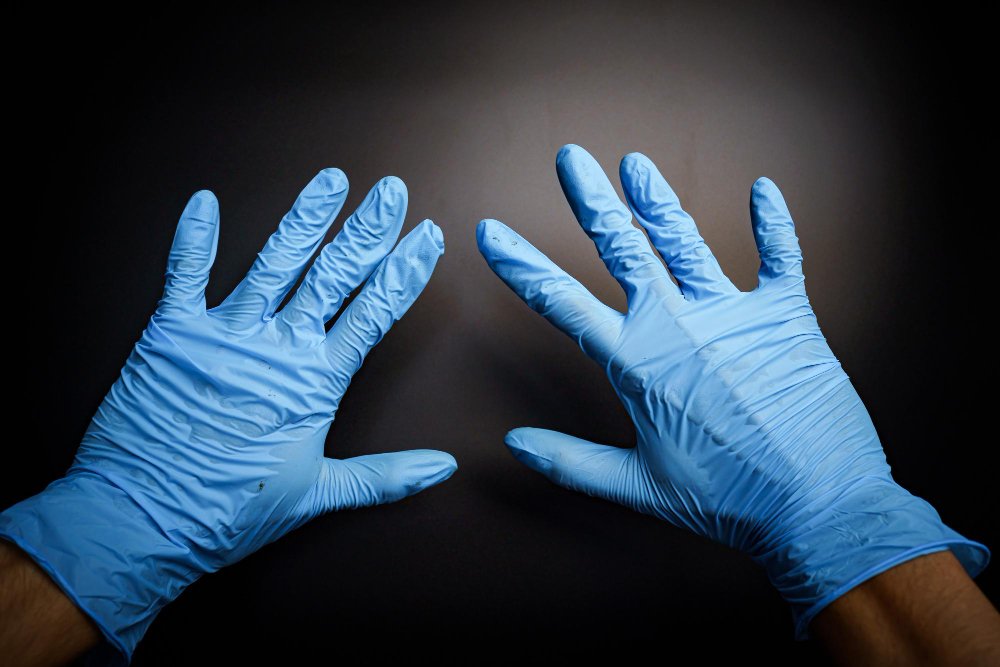
    In hospitals and clinics, staying clean is very important. Doctors, nurses, and other staff take care of patients every day. They touch blood, medicines, and other things that can have germs. These germs can make people sick. One of the easiest and most important tools to stay safe is surgical hand gloves.

    At Aarvi Touch, we provide good-quality gloves to keep doctors, nurses, and patients safe. Let’s see why surgical gloves are very important in hospitals and clinics.

    1. Stop Germs from Spreading

    Germs can spread very fast in hospitals. Doctors and nurses touch many patients. If they do not use gloves, germs can move from one patient to another.

    Gloves make a layer between hands and germs. This keeps both doctors and patients safe. For example, when a nurse takes blood, gloves stop germs from going to the next patient.

    2. Protect Doctors and Nurses

    Doctors and nurses touch blood, medicines, and chemicals. These can sometimes hurt their hands or make them sick. Gloves protect their hands.

    Good gloves from a Surgical Hand Gloves Manufacturer in Ahmedabad keep doctors and nurses safe while they do their work. Even small cuts can cause problems if gloves are not used.

    3. Keep Patients Safe

    Gloves also protect patients. Patients who are sick or having surgery can get infections easily. When doctors wear clean gloves, germs do not reach patients. Even small things like checking blood pressure or giving medicine are safer with gloves.

    4. Help Doctors Work Easily

    Surgical gloves are thin but strong. Thin gloves let doctors move their fingers easily. This helps in doing precise work, like stitching wounds or inserting IV lines. Gloves from a trusted Surgical Product Supplier in Ahmedabad give safety and comfort at the same time.

    5. Stop Germs from Moving Between Patients

    If a nurse touches one patient and then another without gloves, germs can spread. Gloves act like a wall. They keep germs from moving between patients. This is why hospitals always ask staff to wear gloves for every patient.

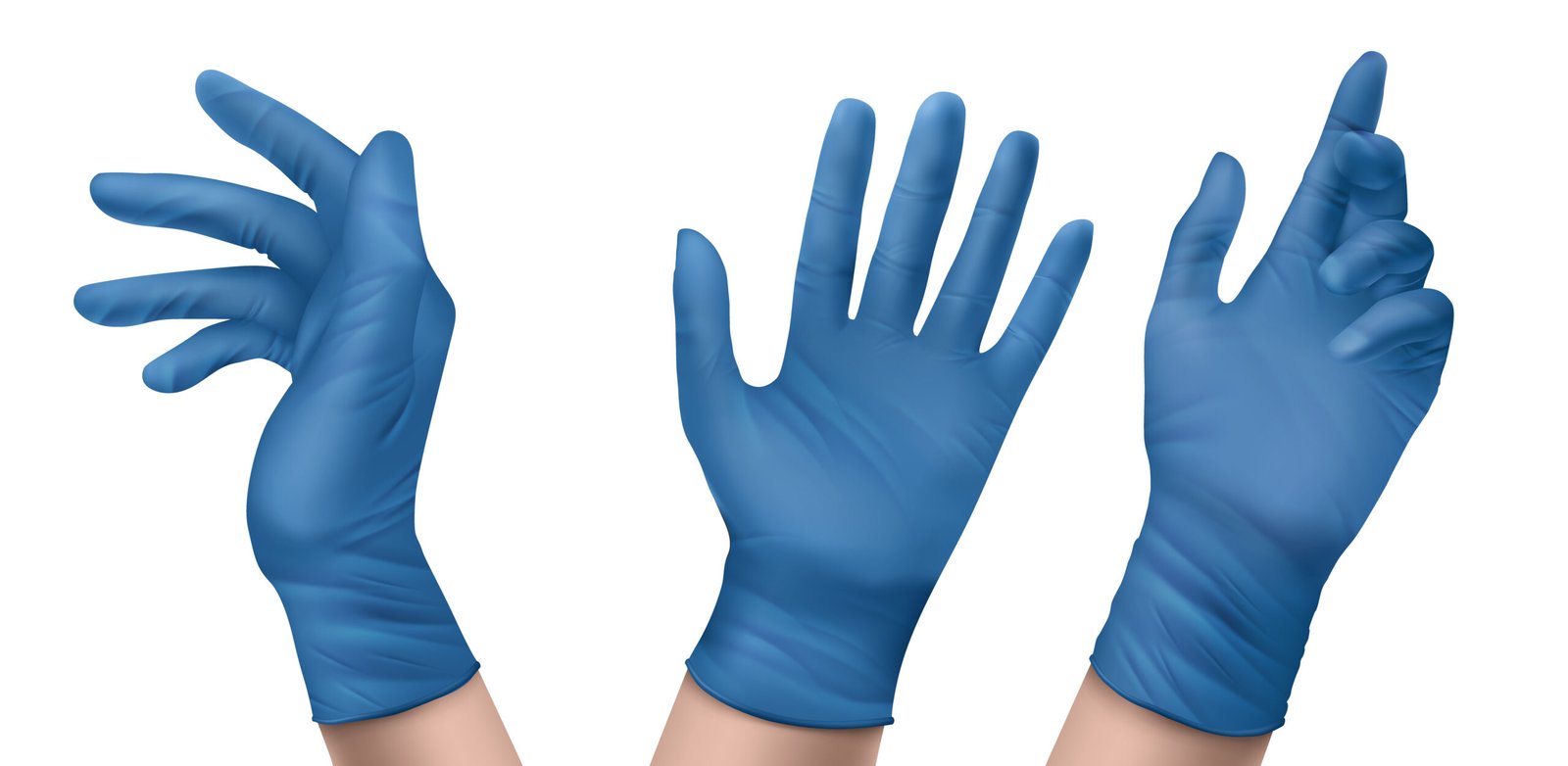
    6. Types of Surgical Gloves

    There are different gloves for different tasks:

    • Sterile Gloves: Used in surgeries. Completely clean.
    • Non-Sterile Gloves: Used in regular checkups.
    • Latex Gloves: Soft and flexible. Some people may be allergic.
    • Nitrile Gloves: Strong, safe, and allergy-free.
    • Vinyl Gloves: Cheap and simple for easy tasks.

    Choosing the right glove is important. Aarvi Touch provides all types of gloves for different needs.

    7. Follow Hospital Rules

    Hospitals have strict rules to keep patients safe. Wearing gloves is not optional—it is required in almost every procedure. Using good gloves keeps doctors and patients safe. That’s why it is important to get gloves from a trusted Surgical Hand Gloves Manufacturer in Ahmedabad.

    8. Comfortable Gloves

    Doctors and nurses wear gloves for many hours. Tight or rough gloves are uncomfortable. Good gloves are soft, fit well, and let hands move naturally. Comfortable gloves help staff focus on patients.

    9. Make the Hospital Safe

    Gloves are not just for doctors—they help the whole hospital stay safe. Nurses, lab staff, cleaning staff, and others use gloves too. Using gloves regularly reduces germs in the hospital. That is why hospitals buy gloves from trusted Surgical Product Wholesaler in Ahmedabad.

    10. Risks if Gloves Are Not Used

    Not wearing gloves can cause problems:

    • Germs can spread to patients and staff
    • Medical tools can get dirty
    • More people can get sick
    • Doctors and nurses can get infections
    • Using gloves regularly keeps everyone safe.

    11. How to Use Gloves Correctly

    Even the best gloves won’t work if not used properly. Here are some tips:

    • Wash hands before putting on gloves
    • Check gloves for holes
    • Don’t touch dirty things with sterile gloves
    • Change gloves between patients
    • Throw gloves away safely after use

    These simple steps keep gloves effective.

    12. New Technology in Gloves

    Gloves today are better than before. Some gloves have:

    • Better grip
    • Extra strength
    • Allergy-free material
    • Anti-germ coating

    Aarvi Touch provides the latest gloves to keep staff safe, comfortable, and confident.

    13. Gloves Make Everyone Feel Safe

    Wearing gloves protects hands and gives confidence. Doctors and nurses can work without worry. Patients feel safe too, knowing staff are using gloves. Gloves are one of the simplest ways to make hospitals safe for everyone.

    14. Small Things Matter

    Gloves may seem small, but they are very important. One pair of gloves can prevent infections and save lives. Small steps like wearing gloves make a big difference.

    Conclusion

    Surgical hand gloves are very important in hospitals. They protect doctors, nurses, and patients from germs and infections. Gloves help doctors work safely, stop germs from spreading, and make hospitals safer.

    Using good gloves from Aarvi Touch, a trusted Surgical Hand Gloves Manufacturer in Ahmedabad is very important. Small things like gloves can save lives and keep everyone healthy. For more details, connect with us!

  • The Role of Testing Devices in Early Disease Detection

    The Role of Testing Devices in Early Disease Detection

    The Role of Testing Devices in Early Disease Detection

    Health is very important. Everyone wants to be healthy. But sometimes, people get sick and don’t know it. Many diseases start slowly. At first, you may not feel sick. By the time you notice, it may be serious.

    Testing devices help find sickness early. They help doctors see problems before they get worse. Aarvi Touch is a trusted name that provides good testing devices to detect diseases on time.

    Why Finding Disease Early is Important

    Finding sickness early can save lives. Many illnesses like diabetes, heart problems, or cancer do not show signs at first. Waiting too long can make treatment harder.

    For example:

    A person may have high sugar but feel fine.

    A simple blood test can find it early.

    Early detection means treatment can start fast. This helps people get better and avoid serious problems.

    Testing devices also make people feel safe. Checking health regularly can prevent bigger problems.

    Types of Testing Devices

    There are many types of testing devices:

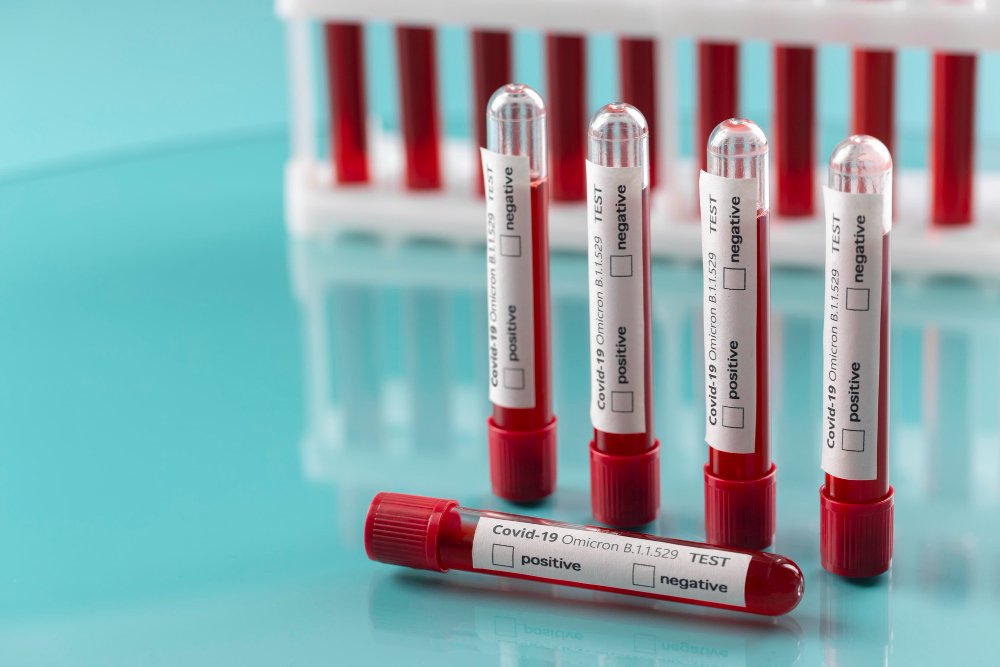
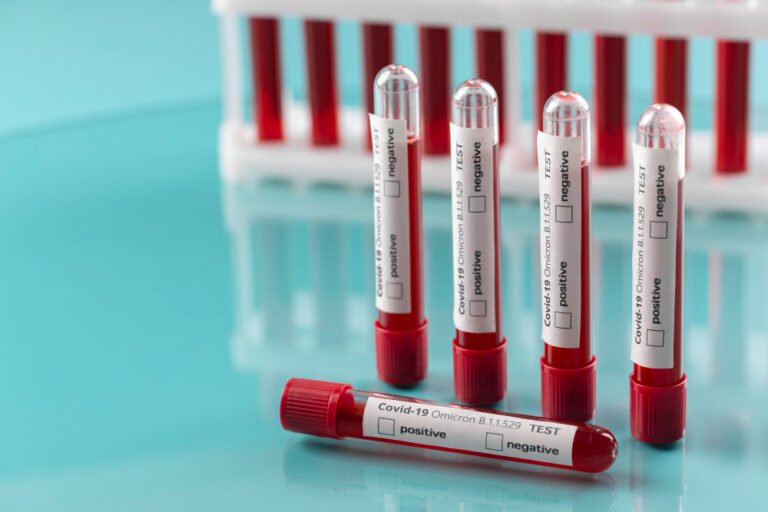
    • Blood Test Kits – Check blood for sugar, cholesterol, vitamins, or infections.
    • Urine Test Kits – Help find kidney problems or infections.
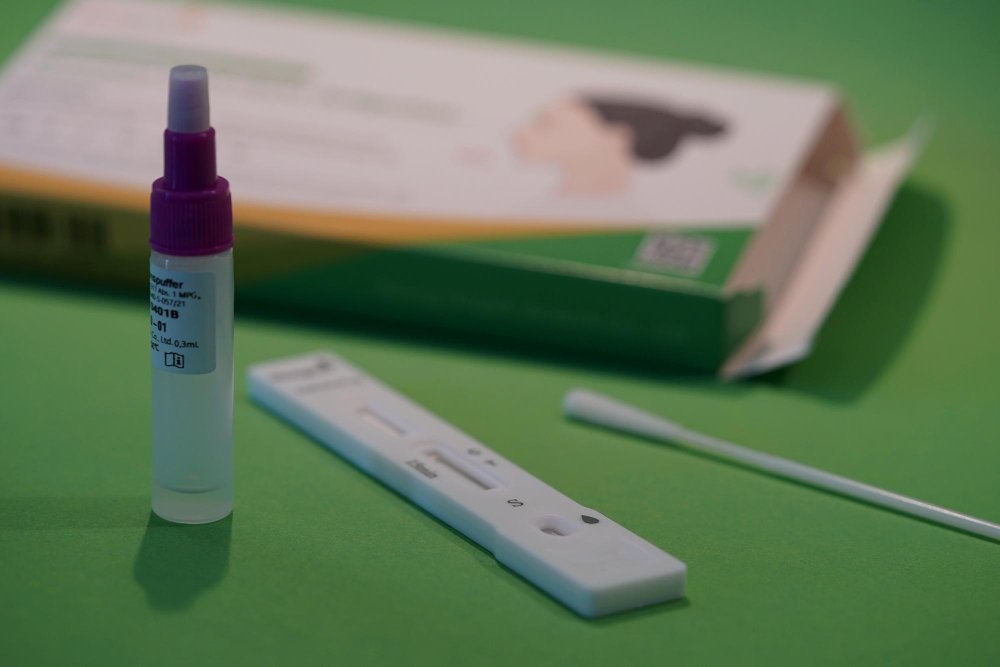
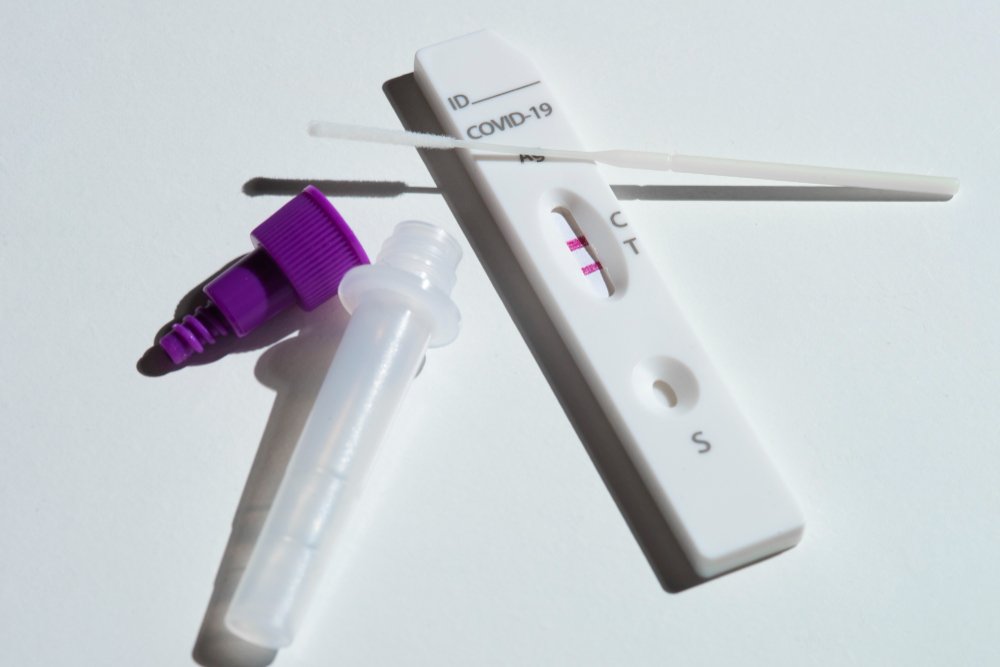
    • Rapid Test Kits – Give fast results, often in a few minutes. They help detect sickness quickly.
    • Home Testing Devices – Simple devices like blood pressure monitors or glucose meters. People can use them at home.

    Using these devices helps doctors and people watch their health. Aarvi Touch, a trusted Diagnostic Test Kit Manufacturer in Ahmedabad, makes sure the tools are safe, correct, and easy to use.

    How Testing Devices Help in Different Sicknesses

    Testing devices help find many kinds of sickness early.

    1. Heart Problems

    Heart problems are very common. Many people don’t know they have them. Devices like blood pressure monitors or cholesterol kits can find problems early.

    Example: A man has high blood pressure but feels okay. A test shows the problem. The doctor can give advice to eat healthy, walk, or take medicine. Early detection can stop heart attacks.

    2. Diabetes

    Diabetes is when blood sugar is too high. It starts slowly. Symptoms may not appear for years. Blood sugar tests and glucose meters help find diabetes early.

    Example: A woman feels tired and thirsty. She thinks it is normal. A test shows sugar is high. Early treatment can stop serious problems like kidney or eye damage.

    3. Infections

    Diseases like dengue, malaria, flu, or COVID-19 can spread fast. Rapid test kits help doctors find infections quickly. Early detection helps patients get medicine fast and stops the disease from spreading.

    Example: A child has fever and body pain. A rapid dengue test confirms sickness in minutes. Early treatment helps the child get better fast.

    4. Cancer

    Some cancers, like breast, cervical, or prostate cancer, can be found early with tests. Early detection makes treatment easier and more successful.

    Example: Women can use Pap smear kits or mammograms to check for cancer. Finding it early can save lives.

    Why Doctors and Hospitals Need Testing Devices

    Doctors and hospitals need good testing devices. They help:

    • Find sickness fast
    • Watch patients’ health
    • Reduce mistakes
    • Give better treatment

    Aarvi Touch also provides tools as a Surgical Product Wholesaler in Ahmedabad. Hospitals get safe and reliable devices.

    Benefits of Modern Testing Devices

    Modern testing devices are better than old ways:

    • Fast – Some give results in minutes
    • Accurate – Less chance of mistakes
    • Easy – Can use at home or clinic
    • Save Money – Early detection avoids big hospital bills

    Example: Using a home blood pressure monitor can stop serious heart problems.

    How Testing Devices Help Communities

    Testing devices help the whole community. Early detection can stop sickness from spreading. It also reduces crowded hospitals.

    Example: During a flu outbreak, rapid test kits find sick people fast. Doctors can give medicine quickly and stop others from getting sick.

    Trusted Diagnostic Test Kit Manufacturers in Ahmedabad like Aarvi Touch provide these devices for hospitals, clinics, and health programs.

    Choosing the Right Testing Device

    Not all testing devices are the same. Keep these in mind:

    • Accuracy – Should give correct results
    • Easy to Use – Simple devices reduce mistakes
    • Safe – Should be approved
    • Support – Supplier should help if needed

    Aarvi Touch gives devices that are safe, reliable, and easy to use.

    The Future of Testing Devices

    Testing devices are getting better every day. They are smaller, smarter, and easier to use.

    • Wearable Devices – Track health all the time and give alerts. Smartwatches can check heart rate.
    • Smart Kits – Connect to apps and send results to doctors.
    • AI-Assisted Testing – Helps read results fast and correctly.

    These new devices make early detection easy and help people stay healthy.

    Conclusion

    Testing devices are very important for early disease detection. They help find problems before they get serious. Blood tests, rapid kits, and home monitors make it easy to check health.

    Aarvi Touch is a trusted Diagnostic Test Kit Manufacturer in Ahmedabad and Surgical Product Supplier in Ahmedabad. Using testing devices helps people take care of their health early, avoid serious sickness, and live healthier lives.Checking health regularly is simple but very important. Early detection saves lives, stops complications, and gives peace of mind. Everyone should use testing devices for a safer and healthier life. Contact us today!

  • The Role of Laboratory Equipment Manufacturers in Delivering Essential Lab Tools

    The Role of Laboratory Equipment Manufacturers in Delivering Essential Lab Tools

    The Role of Laboratory Equipment Manufacturers in Delivering Essential Lab Tools

    Introduction: Why Laboratory Tools Matter

    Labs are basically the heart of healthcare and research. Every day, doctors, scientists, and lab techs rely on proper tools to run tests, study samples, and figure out what’s going on with patients. That’s where Aarvi Touch, a trusted Surgical Product wholesaler in Ahmedabad, comes in. They make sure labs have the gear they need to do their job right.

    Think about it—without good lab tools, mistakes happen. Tests can give wrong results. Samples can get messed up. And let’s be honest, nobody wants that. Having the right equipment helps labs work faster, safer, and smarter.

    In this article, we’re going to dive into the types of lab tools out there, why manufacturers like Aarvi Touch matter, and how the right equipment keeps everything running smoothly.

    Why Good Lab Equipment Really Matters

    Okay, so why care about the tools in a lab? Well, first off—accuracy. Every single test depends on precise measurements. Even a tiny error with a pipette or a swab can throw things off big time.

    Next up is safety. Labs handle all kinds of stuff—blood, urine, chemicals, maybe even infectious materials. Using strong, well-made containers and protective tools keeps everyone safe.

    And let’s not forget durability. Cheap or flimsy gear breaks fast. That means delays, wasted samples, and extra stress. Quality tools? They last longer, give consistent results, and make life a lot easier for lab staff.

    Basically, good lab equipment = smooth operations + accurate results + fewer headaches.

    The Lab Tools You Can’t Do Without

    Labs use tons of different tools. Some are simple, some are specialized, but all of them are super important. Here’s a snapshot of what Aarvi Touch offers:

    • Swabs – Grab samples from surfaces, patients, or specimens. Super common, super important.
    • Transfer Pipette – Tiny but mighty. Helps move liquids without contamination.
    • Alcohol Swabs – Clean the area before sampling. Hygiene first, always.
    • Urine Transfer Device Kit – Makes urine sample collection safer and easier.
    • Micropipette Tips – For those ultra-precise measurements in tiny amounts.
    • Petri Dishes – Grow bacteria or fungi. Labs literally live for these.
    • Hitachi Cups – Specialized cups for lab machines. Keeps tests accurate.
    • ELISA Plate – Used to detect antibodies or antigens. Big deal in testing.
    • ESR Pipette – Measures how fast red blood cells settle. Sounds small, but it matters.
    • Micro Centrifuge Tube – Tiny tubes for high-speed spinning. Keeps samples separate.
    • Centrifuge Tube – Bigger version for separating liquids in a centrifuge.
    • Sample Cups – Hold blood, urine, or other fluids safely.
    • Antigen Extraction Tubes – Pull antigens from samples for testing.
    • Storage Vial – Store samples safely for later.
    • Sample Containers – For urine, sputum, stool, etc. Keeps everything safe and organized.

    Every tool is designed to make lab work easier and more reliable. Manufacturers like Aarvi Touch make sure they meet strict quality standards so labs don’t have to worry.

    How Lab Equipment Manufacturers Make a Difference

    Lab manufacturers aren’t just making stuff—they’re making life easier for labs. Here’s the deal:

    • Smart Design – Equipment has to be easy to use, safe, and long-lasting.
    • Safety First – Labs deal with risky materials, so everything needs to meet hygiene standards.
    • Variety – Every lab is different. Manufacturers supply everything from ELISA plates to sample containers.
    • Supporting Research & Healthcare – Good tools = accurate results = better patient care. Simple as that.

    Without reliable manufacturers, labs would be scrambling to get the right gear. And nobody wants that kind of chaos.

    Why Aarvi Touch Rocks for Lab Supplies

    Here’s the scoop: Aarvi Touch isn’t just a supplier. They’re a partner for labs. They make sure every tool fits the lab’s needs, whether it’s a tiny clinic or a huge hospital.

    They carry everything you can imagine—swabs, urine kits, petri dishes, micro centrifuge tubes, you name it. And the best part? Every item is made to high standards. You can trust it won’t break or mess up your results.

    Aarvi Touch helps labs run smoother, safer, and faster. And let’s be honest, that’s exactly what every lab needs.

    Picking the Right Lab Equipment Suppliers in Ahmedabad

    Finding a supplier is almost as important as picking the right equipment. Lab Equipment Suppliers in Ahmedabad can make or break your lab operations.

    Here’s what to look for:

    • Wide Range of Products – Swabs, pipettes, ELISA plates, centrifuge tubes—you want it all in one place.
    • Quality You Can Trust – No cutting corners. Safety and accuracy come first.
    • Reliable Delivery – You need your gear on time, every time.
    • Helpful Support – Sometimes you need advice on which tool to use. A good supplier gives guidance.

    The right supplier keeps your lab running like a well-oiled machine.

    Keeping Your Lab Tools in Top Shape

    Even the best tools need care. Here’s how to make them last and work well:

    • Clean Everything – Swabs, petri dishes, sample containers—keep them tidy.
    • Store Smart – Micropipette tips, ELISA plates, centrifuge tubes—all need safe storage.
    • Handle with Care – Don’t drop fragile items like Hitachi cups or micro centrifuge tubes.
    • Check Expiry Dates – Some stuff, like antigen tubes and alcohol swabs, expires. Using expired tools = trouble.

    Taking care of your gear keeps results accurate and labs running smooth.

    What’s Next for Lab Tools

    Lab equipment keeps getting better. Technology is pushing things forward, and it’s exciting:

    • Automation – Machines can handle repetitive tasks and reduce human errors.
    • Eco-Friendly Options – Biodegradable or recyclable tools are becoming popular.
    • Super Precise Gear – New pipettes, ELISA plates, and centrifuge tubes give even more accurate results.
    • Compact & Portable – Small clinics and mobile labs love portable tools that don’t take up space.

    Manufacturers are always innovating, making labs safer, faster, and smarter.

    Conclusion

    Laboratory tools are more than just instruments—they are essential for accurate testing, research, and healthcare. Manufacturers and suppliers like Aarvi Touch, a trusted surgical product supplier in Ahmedabad, ensure that labs have access to reliable and high-quality equipment. From swabs to ELISA plates, every tool plays a critical role in making laboratory work efficient, safe, and precise.

    For any inquiries or to explore our wide range of lab products, you can contact us. Our team is ready to help you select the right tools for your laboratory needs.

  • Surgical Product Wholesaler in Ahmedabad Playing a Quiet but Important Role in Healthcare

    Surgical Product Wholesaler in Ahmedabad Playing a Quiet but Important Role in Healthcare

    Surgical Product Wholesaler in Ahmedabad Playing a Quiet but Important Role in Healthcare

    When you think about healthcare, what pops into your head? Doctors, nurses, hospitals, right? But there’s a whole other crew working behind the scenes that most people never notice. These are the folks who make sure hospitals have all the stuff they need to treat patients. Yup, we’re talking about surgical product suppliers. One name that’s doing a great job quietly? Aarvi Touch, a trusted Surgical Product Wholesaler in Ahmedabad.

    Honestly, hospitals can’t run without surgical products. Gloves, masks, aprons, scissors, scalpels—if even one thing’s missing, it can mess up patient care. And that’s where suppliers step in. They keep hospitals stocked, safe, and ready for anything.

    So, What Exactly Are Surgical Products?

    Basically, surgical products are all the tools and gear that doctors and nurses use during surgeries and treatments. Some are super simple—gloves, masks, aprons. Others are more specialized—scissors, scalpels, forceps, clamps. Even machines in the operating room fall under this category.

    Think about it: a small surgery, a big surgery, even routine check-ups—these items are always needed. Doctors can’t operate without them. Nurses can’t help properly without them. Even something as small as a thermometer or blood pressure machine counts.

    Why Wholesalers Matter

    Here’s the thing. Hospitals don’t go straight to manufacturers for every little thing. That’s where a Surgical Product Wholesaler in Ahmedabad comes in. Aarvi Touch buys all these products in bulk from manufacturers and then delivers them to hospitals, clinics, and even small health centers.

    They don’t just drop stuff off either. They check quality, store everything properly, and make sure deliveries happen on time. That way, doctors can focus on patients, not tracking down missing gloves or masks.

    The Kinds of Stuff They Supply

    Surgical products cover a LOT. Here’s a quick breakdown:

    • Surgical Tools: Scalpels, scissors, forceps, clamps, retractors
    • Disposable Items: Gloves, masks, aprons, caps, shoe covers
    • Checking Tools: Thermometers, stethoscopes, blood pressure monitors
    • Machines: Operating tables, lights, suction machines, sterilizers
    • Specialty Stuff: Equipment for dental, orthopedic, or heart procedures

    Good suppliers make sure all of it is ready when hospitals need it. No last-minute panicking.

    How Suppliers Actually Help Hospitals

    Hospitals are hectic. Emergencies pop up, surgeries run back-to-back, and patient care never stops. A reliable supplier takes a huge load off their shoulders.

    Picture this: there’s an emergency surgery. Every second counts. If a glove, mask, or scalpel is missing? Total disaster. Suppliers make sure that never happens. Doctors get what they need, right when they need it. And that literally saves lives.

    Quality and Safety Are Non-Negotiable

    Suppliers aren’t just delivery people. They’re quality controllers too. One faulty product could mess everything up. Aarvi Touch only works with trusted manufacturers, checks every item, and makes sure it’s safe before it hits a hospital. Doctors trust these products. Nurses trust them. And that trust keeps hospitals running smoothly.

    Not Just Big Hospitals

    Here’s something cool: suppliers don’t just help massive hospitals. Small clinics and health centers count on them too. Especially in areas where hospitals are far away, clinics need reliable access to surgical products.

    And during emergencies? Suppliers are lifesavers. Outbreaks, natural disasters, sudden surges in patients—wholesalers deliver fast. That’s how lives get saved behind the scenes.

    How They Do It

    Here’s a peek into their daily grind:

    • Buying in Bulk: They snag huge amounts from manufacturers
    • Safe Storage: Some products need special conditions, and they handle that
    • Delivery: Hospitals and clinics get what they need on time
    • Quality Checks: Every product is tested and safe to use
    • Advice: They even guide hospitals on new products or how to use them

    Basically, they’re the invisible backbone of healthcare.

    Everyday Stuff You Might Not Notice

    Surgical products are part of our daily healthcare, even if we don’t see them. Gloves, masks, scissors, thermometers, aprons… these items may seem small but they’re super important. Without them, hospitals just can’t function safely.

    Challenges of the Job

    Being a supplier isn’t all smooth sailing. Some challenges include:

    • Stock Management: Making sure hospitals never run out
    • Quality Control: Everything has to be safe and reliable
    • Delivery Issues: Getting products on time is crucial
    • Sudden Demand Changes: Hospitals might need way more than expected

    Even with all that, we handle it like pros.

    Helping Public Health

    Suppliers also play a big role in public health. Well-equipped hospitals can treat more patients safely. Clinics in small towns get access to products they wouldn’t otherwise have. Basically, suppliers help communities stay healthier and get care faster.

    Keeping Up With Innovation

    Surgical products keep evolving. Gloves are safer, instruments are more precise, machines are smarter. Suppliers make sure hospitals get these new products quickly. This helps doctors do their job better and keeps patients safe.

    Going Green

    Many suppliers are eco-conscious now. Less packaging, safe materials, environmentally friendly products—it’s a small step that makes a big difference for hospitals and the planet.

    Teaching the Staff

    Some suppliers don’t stop at delivering stuff. They train hospital staff too. How to use instruments safely, how to care for tools, how to prevent contamination—all part of the package. Safer surgeries, longer-lasting products. Win-win.

    Looking Ahead

    Healthcare will always need surgical products. Demand is only going up. Suppliers like Aarvi Touch will keep hospitals and clinics stocked and ready. Doctors and nurses get the tools they need. Patients get better care. Everyone wins.

    Wrapping It Up

    Healthcare is a team sport. Doctors, nurses, and hospitals are the stars, sure. But suppliers work quietly in the background, making sure everything runs smoothly. Aarvi Touch, a trusted Surgical Product Supplier in Ahmedabad, keeps hospitals and clinics stocked with everything from gloves and masks to scalpels and machines.

    They might not wear scrubs, but they’re saving lives every day. So next time you visit a hospital, remember: there’s a whole network of suppliers making sure your care goes off without a hitch.

    For more info about us and our surgical products, you can contact us today.

  • Top Challenges Faced by Diagnostic Test Kit Manufacturer in Ahmedabad and How They Overcome Them

    Top Challenges Faced by Diagnostic Test Kit Manufacturer in Ahmedabad and How They Overcome Them

    Top Challenges Faced by Diagnostic Test Kit Manufacturer in Ahmedabad and How They Overcome Them

    India’s healthcare and diagnostics industry is growing at a rapid pace, and Ahmedabad has become one of the key cities for medical manufacturing. From rapid test kits to different lab testing tools, many companies in Ahmedabad are working day and night to meet the needs of hospitals, clinics, labs, and healthcare centers, with trusted suppliers, like Aarvi Touch playing an important role in connecting quality products to the healthcare system.

    But being a Diagnostic Test Kit Manufacturer in Ahmedabad is not an easy job. There are many challenges involved, such as following government rules, managing raw materials, keeping quality consistent, handling competition in the market, and keeping up with new technology.

    In this blog, we’ll talk about the main challenges diagnostic test kit manufacturers face and how they deal with them to provide safe, reliable, and affordable products to the healthcare industry. This will also help hospitals, labs, and distributors understand what actually happens behind the scenes before a diagnostic kit reaches them.

    Reasons Behind the Rapid Growth in Demand for Diagnostic Test Kits

    Today, people are much more aware of their health than before. Regular check-ups and early detection of diseases have become common. Doctors also depend heavily on diagnostic tests to confirm health problems and decide the right treatment.

    From common blood tests to identifying infections and monitoring long-term illnesses, diagnostic kits are now a basic part of medical care. With more lifestyle diseases and seasonal infections, the need for testing kits is only increasing. In a city like Ahmedabad, where healthcare facilities are expanding fast, manufacturers are expected to supply not just local hospitals but also nearby cities. This growth is good for business, but it also means manufacturers have to handle bigger volumes and higher expectations at the same time.

    Common Regulatory Problems Faced by Manufacturers

    Medical products come with strict rules and guidelines. Diagnostic kits must follow government safety standards to make sure they are safe for patients. While these rules are important, they can sometimes slow things down for manufacturers.

    There are approvals to get, tests to complete, documents to prepare, and inspections to pass. Even a small mistake in paperwork can delay product launches or cause legal issues. To deal with this, many manufacturers keep a dedicated team for regulatory work. These professionals stay updated with changing rules and make sure all products meet the required standards. Regular checks inside the company also help catch problems early before they turn into bigger issues.

    Maintaining Quality in Large-Scale Production

    When it comes to diagnostic kits, quality cannot be compromised. A small error in a test result can create serious problems for patients and doctors. The challenge is to maintain the same quality level even when producing large quantities. Every raw material used in manufacturing must meet quality standards.

    On top of that, each batch of products must be tested before it is sent to the market. However, sourcing good-quality materials at reasonable prices is not always easy. To manage this, manufacturers build long-term relationships with trusted suppliers. They also set up strict quality checks at different stages of production. Trained staff, proper procedures, and regular equipment maintenance help ensure that the final product performs accurately every time.

    Common Supply Chain Issues Faced by Surgical Product Suppliers

    The journey of a diagnostic product starts from raw material sourcing and ends with delivery to hospitals and labs. Any delay in this chain can cause shortages in the market. Manufacturers often face problems like late deliveries, sudden price changes in raw materials, and dependence on overseas suppliers for certain components. During global disruptions, these issues can become even more difficult to manage. To reduce these risks, many companies now work with multiple suppliers instead of relying on just one. They also try to source materials locally whenever possible. Better planning and inventory management help ensure that products are available when needed.

    The Role of Advancing Technology in Diagnostic Manufacturing

    The diagnostic industry is changing very quickly. New testing methods and smart devices are becoming part of modern healthcare. While this brings new opportunities, it also means manufacturers must constantly update their products and processes. Upgrading machines, training staff, and investing in research requires time and money. Smaller companies may find it challenging to keep up with fast-moving technology. To stay competitive, manufacturers focus on gradual improvements rather than sudden big changes. Many also work with research centers and technology partners to stay updated on new developments without stretching their budgets too much.

    Competitive Challenges Faced by Manufacturers

    There are many diagnostic kit manufacturers in the market, and most of them offer similar products. Buyers often compare prices, which creates pressure to sell at lower rates. However, lowering prices too much can affect product quality. This is why successful manufacturers focus on building trust instead of competing only on price. Reliable performance, timely delivery, and good customer support make a big difference. By providing clear information about products and helping customers with usage and after-sales support, companies build long-term relationships. Over time, trust becomes more important than price alone.

    The Value of Strong Distribution Networks in Healthcare

    Even a high-quality diagnostic kit is of no use if it doesn’t reach hospitals and labs on time. Delays in delivery can disrupt patient care and damage business relationships. Manufacturers work closely with distributors and logistics partners to ensure smooth and fast delivery. Many companies also partner with local suppliers such as a surgical product wholesaler in Ahmedabad to ensure faster access for clinics and small hospitals. Strong distribution networks help companies respond quickly to urgent requirements and maintain steady availability of essential diagnostic products.

    How Do Manufacturers Build Trust With Doctors and Labs?

    Trust takes time to build in the healthcare industry. Doctors and lab professionals rely on diagnostic kits for accurate results. If a product fails even once, it can damage the manufacturer’s reputation. To build trust, companies focus on clear labeling, simple instructions, and consistent product performance. Training sessions and user support also help healthcare staff use products correctly. Listening to customer feedback is equally important. When manufacturers improve products based on real user experiences, it shows commitment to quality and safety. This approach helps build long-term credibility in the market.

    What Challenges Will Diagnostic Manufacturers Face in the Future?

    The future of diagnostics is moving toward faster testing, home-based kits, and digital solutions. Manufacturers will need to adapt to these changes to stay relevant. Environmental concerns are also becoming more important. Reducing waste, using eco-friendly packaging, and safe disposal methods are slowly becoming part of industry expectations. As more diagnostic tools become connected to digital systems, data protection will also become a major concern. Keeping patient information safe will be a big responsibility for manufacturers in the coming years.

    How Are Ahmedabad-Based Companies Using Challenges as Opportunities?

    Many diagnostic companies in Ahmedabad are learning to turn challenges into growth opportunities. By improving product quality, upgrading processes, and focusing on customer needs, they are building stronger businesses. Being a Diagnostic Test Kit Manufacturer in Ahmedabad offers benefits such as access to skilled workers, growing medical infrastructure, and a rising healthcare market. Companies that invest in better systems and strong partnerships are better prepared for long-term success. Local partnerships with healthcare suppliers and distributors also help companies serve the market faster and more efficiently, especially during times of high demand.

    Final Thoughts

    The diagnostic manufacturing industry is not without its difficulties, but it plays a vital role in improving healthcare outcomes. From following strict rules and maintaining quality to handling supply issues and staying updated with new technology, manufacturers face many challenges every day. Those who focus on consistency, trust, and continuous improvement are more likely to grow steadily. By working closely with healthcare providers and distribution partners, diagnostic manufacturers can build a reliable system that supports better patient care in the long run. To know more about our product range, contact us today!

  • Top 10 Lab Equipment Manufacturers in Ahmedabad

    Top 10 Lab Equipment Manufacturers in Ahmedabad

    Top 10 Lab Equipment Manufacturers in Ahmedabad

    If you are looking for the top 10 lab equipment manufacturers in Ahmedabad, this article will help you. Whether you run a clinic, hospital, school lab, or research center—or you’re just curious—this list is made to be easy to read and understand. We’ve included trusted names that make and supply tools used in labs, hospitals, and medical setups. Here, quality, dependability, and service are the main priorities.

    One by one, let’s start with the most popular names.

    1. Aarvi Touch

    What they make:

    Surgical and wound care products, PPE kits, diagnostic test kits, blood collection items, lab sample collection tools, and biomedical waste products. Aarvi TradeLink owns the brand Aarvi TouchIt started in 2019 but quickly became a trusted name for medical and lab supplies. Even though it’s new, people trust it because the quality is good and the service is fast.

    Why Aarvi Touch stands out:

    • Focus on safety and quality
    • Wide range of products
    • Friendly customer service
    • Works with hospitals, clinics, and labs

    They have more than 100 products and work with over 500 happy clients. If you want reliable medical and lab tools, this is a name you can count on. 

    2. Micro Lab Instruments Pvt. Ltd.

    What they make: 

    Biochemistry analyzers, electrolyte analyzers, ELISA readers, and lab machines. Micro Lab is known for building high-tech lab machines used in diagnostic labs. Their tools are used to check blood, body fluids, and other samples.

    Why choose them: 

    • Accurate and fast machines
    • Easy to use
    • Great support after purchase
    • Used in many labs across India

    They focus on quality and provide user training, which makes things easier for new labs.

    3. Hema Scientific Instruments

    What they make

    Autoclaves, BOD incubators, hot air ovens, water baths, and stirrers. Hema Scientific has a long history in the field. Their tools are mostly used in colleges, research labs, hospitals, and even school labs.

    What makes them good:

    • Strong and long-lasting machines
    • Good customer support 
    • On-time delivery
    • Competitive pricing

    They also offer custom solutions if you need special tools for your work.

    4. Nova Instruments Pvt. Ltd.

    What they make

    Lab centrifuges, laminar flow units, sterilizers, incubators, and digital shakers. Nova Instruments builds modern tools for medical and science labs. Their machines are built with strong materials and are simple to operate.

    Why they are trusted:

    • Tools that last for years
    • Friendly service
    • Help with setup and use
    • Good spare parts support

    They’re used by schools, hospitals, and labs all over the city.

    5. Sabar Scientific

    What they make:

    beakers, test tubes, flasks, pipettes, and other lab glassware. If your lab needs high-quality glass tools, Sabar Scientific is the place to go. Their items are well-made, robust, and resistant to heat.

    Why labs like them:

    • Strong glass quality
    • Affordable pricing
    • Custom-made glass tools
    • Quick delivery

    They’ve been a popular choice for science teachers and lab workers for years.

    6. Metkorp Equipments Pvt. Ltd.

    What they make

    Metallurgical tools, microscopes, hardness testers, welding lab tools, and more. Metkorp provides lab tools for metal testing and inspection. Their tools are often used in engineering labs and factories.

    Best things about them:

    • Good for industrial labs
    • High-quality equipment
    • Long product life
    • Trained support staff

    They also give full training and help after you buy the equipment.

    7. Cliniva Healthcare

    What they make: 

    hospital furniture, surgical tools, patient examination beds, and lab diagnostic tools. Cliniva is known for its wide range of hospital and lab furniture. If you’re starting a new clinic or upgrading your lab, this company has many options.

    Why people choose them:

    • Reliable and safe tools
    • Meets hospital standards
    • Easy-to-use furniture
    • Fair prices

    They are used by many hospitals, both small and big, across India.

    8. Amigo Surgicare Pvt. Ltd.

    What they make

    They produce catheters, disposable syringes, urine bags, surgical gloves, and IV sets. Amigo Surgicare specializes in disposable medical equipment. Hospitals and clinics use these on a daily basis.

    Why they are trusted:

    • Sterile and high-quality products
    • Fast shipping
    • Used in Indian and overseas hospitals
    • Bulk order discounts

    Their tools are safe and made with international standards in mind.

    9. Goyal Medical Pvt. Ltd.

    What they make: 

    Medical disposables, veterinary tools, dental supplies, and small surgical equipment. Goyal Medical is popular among clinics and small labs. They offer simple but necessary tools that doctors and lab workers use daily.

    What makes them reliable:

    • Easy to order
    • On-time delivery
    • Good for start-ups and small clinics
    • Friendly support

    They also sell to veterinary clinics and dental offices, making them versatile.

    10. Silverline Medi-Tech Pvt. Ltd.

    What they make: 

    Diagnostic tools, surgical items, medical disposables, and small machines. Silverline helps hospitals and labs by offering many different items under one roof. If you need a variety of tools, this is a good option.

    Why choose Silverline:

    • Many types of products
    • Good customer reviews
    • Quick service
    • Exports to many countries

    They focus on quality and offer training for how to use their machines.

    Final Words

    Ahmedabad is one of the growing hubs for medical and lab equipment in India. These ten companies are helping the world by building tools that make diagnosis, treatment, and care safer and faster.

    From new brands like Aarvi Touch to well-established names like Micro Lab and Sabar Scientific, each company brings something special. Some focus on hospital furniture. Others provide tools for labs and clinics. One thing unites them all, though: they value trust and quality. If you are starting a new lab, upgrading your hospital tools, or just want better equipment, check out these companies. Many of them offer support, training, and easy ordering. You don’t need to be an expert to understand or buy from them.

    Medical tools are important for saving lives, doing research, and finding answers. And with companies like these in Ahmedabad, getting what you need is now easier than ever. Want something safe, affordable, and trusted by many? Aarvi Touch is a strong choice to consider. Their team understands healthcare needs and works hard to deliver quality every single time. Got questions or need help? Just contact Aarvi Touch—they’re ready to support you. Let’s support the companies building a better, healthier world—starting right here in Ahmedabad.

  • Why Hospitals Need Biomedical Waste Bags—Explained by Leading Biomedical Waste Bags Manufacturers in Ahmedabad

    Why Hospitals Need Biomedical Waste Bags—Explained by Leading Biomedical Waste Bags Manufacturers in Ahmedabad

    Why Hospitals Need Biomedical Waste Bags—Explained by Leading Biomedical Waste Bags Manufacturers in Ahmedabad

    When we visit a hospital, we often think about doctors, nurses, and medicines. We think about healing. But behind all this, there’s something very important that many people don’t notice—hospital waste. Every day, hospitals throw away used syringes, bloody cotton, old gloves, and even body parts from surgery. This waste is different from what we throw away at home because it is dangerous and can make people very sick if not handled properly. That’s why hospitals must use special bags called biomedical waste bags to keep everyone safe.

    Leading Bio Medical Waste Bags Manufacturers in Ahmedabad stress the importance of these bags for hospitals. Without them, hospitals can become unsafe places for patients, staff, and visitors. One trusted company making these bags is Aarvi Touch. They provide high-quality biomedical waste bags that help hospitals stay clean, safe, and protected from harmful waste every day.

    What Is Biomedical Waste?

    Biomedical waste is the garbage from places that take care of people’s health—like hospitals, clinics, labs, and even dentist offices.

    Here are a few things that are biomedical waste:

    • Used syringes and needles
    • Bandages with blood
    • Human body parts from surgery
    • Gloves, masks, and gowns
    • Expired medicines
    • Chemicals used in labs
     

    This kind of waste is full of germs, bacteria, and viruses. If it touches your skin, it can make you very sick. If animals eat it, they can die. If it’s burned or thrown in the wrong place, it can make water and air dirty. That’s why this waste must be collected, packed, and thrown away using the right method.

    Why These Special Bags Are So Important

    Let’s understand why these biomedical waste bags are not just regular bags.

    1. They Keep Germs Locked In

    Blood, spit, and other body fluids can carry dangerous germs. If we leave them open in a bin, germs fly into the air or onto the floor. These bags help by keeping all of it sealed inside.

    2. They Save Lives of Hospital Staff

    Doctors, nurses, and cleaning staff are around waste all day. A small mistake—touching a dirty needle or leaking bag—can make them very sick. Strong, high-quality bags protect them from that danger.

    3. They Help in Sorting Waste

    Hospitals use different colored bags so they can separate types of waste. 

    This is very important.

    • Red bags for used plastic like gloves and IV tubes
    • Yellow bags for soft waste like tissues and body parts
    • Blue for broken glass, metal pieces, blades
    • Black for simple waste that’s not harmful
     

    These colors help workers know what’s inside without opening the bag. This makes it safer and easier to throw the waste properly.

    4. They Make Transport Easy and Safe

    After the bag is full, it needs to be taken to a place where it is treated or burned safely. These bags are made to be strong. They don’t tear or leak during transport, even if the road is bumpy. That’s how they protect the people who carry them too.

    What Happens When Hospitals Don’t Use Them?

    If hospitals don’t use proper biomedical waste bags, many bad things can happen:

    • Waste can lie around and spread infection
    • Staff or visitors may step on sharp objects like needles
    • Children or animals may touch dangerous items
    • Water or soil can get polluted
    • The hospital may get punished for breaking health rules
     

    So, using these bags is not just a good idea. It is necessary for everyone’s safety.

    Helping the Environment Too

    These bags also help protect nature. The waste in them goes to special plants where it is burned or treated safely

    It doesn’t get mixed with food waste or plastic at home. Some good-quality bags are eco-friendly, meaning they break down naturally without harming soil or water. So these bags are not just helping people—they are helping our Earth too.

    Who Makes These Bags?

    There are many companies that make these bags. But not all bags are made the right way. Some are thin and tear easily. Some don’t follow the health rules.That’s why hospitals must choose trusted manufacturers—like Aarvi Touch. This company understands safety. They make strong, well-designed biomedical waste bags that meet all the rules. That’s why many hospitals trust them

    How Do Hospitals Use These Bags?

    It may look simple, but hospitals follow clear steps:

    • Put bag in the bin: A bin is placed in every room, and the colored bag goes inside it
    • Throw waste inside: Nurses, doctors, or cleaners throw the right waste into the right colored bag
    • Seal the bag: Once full, the bag is tied tightly
    • Label it: Some hospitals write what’s inside
    • Send to treatment: Bags are picked up and taken to the waste treatment center


    Every step must be done properly to protect people.

    Why Training is Important

    Not everyone knows what kind of waste goes into what color bag. That’s why hospitals give training to their staff. 

     The training includes

    • Which color bag is used for what
    • How to seal the bags
    • What to do if a bag leaks
    • How to wear gloves and masks
     

    Even waste collectors and truck drivers get this training. It keeps them safe too.

    What Makes a Bag Good?

    Here’s what a hospital looks for in a good biomedical waste bag:

    • Strong material that won’t tear
    • Correct color based on health rules
    • Different sizes for different amounts of waste
    • Easy to tie or close
    • Safe for the environment if possible
     

    Good companies, like Aarvi Touch, always check that their bags follow these points.

    Should These Bags Be Reused?

    Never. These bags are made for one-time use only. Once they are filled and sealed, they go to treatment. Reusing them is very unsafe and can spread disease.

    Not Just for Hospitals

    Biomedical waste bags are also used in:

    • Clinics
    • Labs
    • Veterinary hospitals
    • Blood donation centers
    • Tattoo parlors
    • Dental offices
    • Vaccination camps
    • Anywhere that handles blood, needles, or body fluids should use these bags.

    What if the bag is not good? 

    • If a bag is weak or not sealed well:
    • It may leak blood or chemicals
    • Germs may escape into the air
    • Someone may get cut or infected
    • The hospital may get in trouble with health officers
    • This is why it’s always better to choose bags made by experienced companies.
     

    How Can Regular People Help?

    Even if you don’t work in a hospital, you can still help:

    • Don’t touch medical waste
    • Keep kids away from hospital bins
    • Never throw your home garbage in hospital bins
    • If you see medical waste in open areas, tell someone in charge
    • Everyone has a role to play in keeping our world safe.
     

    Final Words

    A biomedical waste bag may look like a simple thing. But it does a big job. It protects people from deadly infections. It keeps hospitals clean. It helps nature stay safe. And it helps health workers do their jobs with less risk. That’s why every hospital should use good-quality biomedical waste bags from trusted Bio Medical Waste Bags Manufacturers in Ahmedabad. A name like Aarvi Touch gives hospitals the confidence that they are keeping people safe every single day. One bag can save many lives. That’s why it matters.

    Want to know more or place an order? Contact us, they’re always ready to support you.

  • A Step-by-Step Guide to Safe Handling and Disposal of Blood Collection Tubes

    A Step-by-Step Guide to Safe Handling and Disposal of Blood Collection Tubes

    A Step-by-Step Guide to Safe Handling and Disposal of Blood Collection Tubes

    Have you ever seen someone take blood for a test at a clinic, hospital, or health camp? After the blood is collected, it is placed into small tubes called blood collection tubes. These tubes are very important for health tests, but many people don’t know what happens after that. It’s important to handle these tubes carefully and dispose of them safely because if not done properly, they can harm people and the environment. 

    If you are looking for safe and trusted blood collection products, Aarvi Touch is a name people believe in. They are one of the top Blood Collection Tubes Manufacturers in Ahmedabad, known for quality and safety. Understanding how to manage and throw away blood collection tubes the right way helps keep everyone safe and healthy. Let’s learn together how to handle these tubes carefully because safety is important for all of us.

    What Are Blood Collection Tubes?

    Blood collection tubes are small, sealed tubes where blood is stored after it is drawn from the body. They are used in hospitals, clinics, labs, and health check-up camps.

    Each tube has a special color cap—red, blue, yellow, purple, green, and more. These colors help doctors and nurses know what each tube is used for. Some have a powder or liquid inside. These are called additives. They help keep the blood in a certain way so doctors can do the right tests.

    Why Safe Handling Is Important

    Blood is not like water. It can carry germs. If someone touches blood with bare hands or spills it on the floor, it can spread diseases.

    Moreover, glass or plastic is used to make blood-collecting tubes. They can break. If broken glass with blood is touched by mistake, it can hurt someone.

    What Are Blood Collection Tubes?

    Blood collection tubes are small, sealed tubes where blood is stored after it is drawn from the body. They are used in hospitals, clinics, labs, and health check-up camps.

    Each tube has a special color cap—red, blue, yellow, purple, green, and more. These colors help doctors and nurses know what each tube is used for. Some have a powder or liquid inside. These are called additives. They help keep the blood in a certain way so doctors can do the right tests.

    Step 1: Prepare Before Collecting Blood

    Before you take someone’s blood, you must be ready. Here’s what you need to do:

    • Wear clean gloves.
    • Keep the blood collection tubes nearby.
    • Make sure the tubes are not expired.
    • Use new and sealed items—like needles and tubes.
    • Wash your hands with soap or hand sanitizer.
     

    Tip: Always keep a sharp disposal container (also called a sharps box) close by. You will need it after collecting blood.

    Step 2: Collect the Blood Safely

    When the nurse or healthcare worker collects the blood

    • Use clean gloves.
    • Choose the right tube (by color).
    • Fill the tube until the correct line (not more or less).
    • Do not shake the tube hard.
    • If the tube needs mixing, just turn it gently.
    • After this, close the tube tightly and put the label with the person’s name and test info.
     

    Step 3: Store the Tube Properly

    Once blood is inside the tube:

    • Keep it in a clean holder or rack.
    • Do not leave the tube lying around.
    • Do not store it in sunlight or near heat.
    • Do not freeze unless the lab says so.
    • Some tubes need to be tested quickly, so always check the time.
     

    Step 4: Transport the Tubes Safely (If Needed)

    Sometimes the test is done in another place. So the tube needs to travel. When moving tubes:

    • Place them in a strong container.
    • Use foam or padding so they don’t break.
    • Seal the box or bag well.
    • Write “Biological Sample” outside the package.
    • Hand it only to trained people.
    • Never carry the tubes in pockets, purses, or open bags.
     

    Step 5: Handling Used Tubes

    After the blood is tested, the tubes are usually not needed again. But we must not throw them in normal trash. 

    Here’s what to do:

    • Do not touch the tube without gloves.
    • Check if it leaked or cracked.
    • If so, put it in a bag that won’t leak before throwing it out. 
    • Never try to open a used tube.
    • Do not try to clean and reuse it.

    Used tubes are considered biohazardous waste. This implies that if not disposed of appropriately, they may be hazardous.

    Step 6: Disposal—How to Throw Away the Tubes Safely

    This is the most important part

    Use the Right Bin

    There are special bins for medical waste. They come in different colors. Used blood collection tubes go into the yellow bin or a bin marked for biohazard. Never throw them in normal dustbins used at home or in offices.

    Use a Sharps Container

    If the tube is broken or contains a needle part, use a sharps box. This box is hard and does not break. It keeps everyone safe from cuts and needle sticks.

    Label the Waste Bag or Box

    • After filling the medical waste bag or box:
    • Label it “Used Blood Tubes – Biohazard.”
    • Seal it with tape or a lock if needed.
    • Do not overfill.
     

    Call the Right Disposal Service

    Only trained people can dispose of medical waste. Do not give it to regular garbage trucks. Hospitals and clinics usually have a contract with a medical waste company. These people pick up the bag, burn it in a special place, or clean it using hot steam (autoclave).This keeps people and the planet safe.

    What Happens If We Do Not Follow These Steps?

    • If the tubes are not handled or thrown away properly:
    • Children or animals can touch them and fall sick.
    • Blood germs can proliferate in water or the air. 
    • Lab workers and nurses can get injured.
    • Wrong disposal can pollute the environment.
    • Hospitals can get fined by the health department.
     

    So, this is not just a rule. It’s a responsibility for everyone—big or small.

    Can Children or Students Learn This Too?

    Yes! Teaching kids and school students about safety is a great idea.

    • Show them what blood collection tubes look like (use clean or demo ones).
    • Tell them never to touch one if they find it somewhere.
    • Teach them to inform an adult or teacher immediately.
    • This small education can protect many lives.
     

    Safety Tips (Easy to Remember)

    • Always wear gloves when handling blood tubes.
    • Never reuse a blood collection tube.
    • Do not touch the open part of a used tube.
    • Keep tubes away from food or water.
    • Use the right bin to throw them away.
    • Do not throw blood tubes in toilets or open drains.
    • Always wash your hands after handling.
    • Report any accident (like a tube breaking or blood spill) immediately.
     

    Places Where This Education Is Needed

    • Hospitals
    • Clinics
    • Laboratories
    • Schools
    • Blood banks
    • Health camps
    • Mobile testing vans
    • Home sample collection services

    Anyone who handles blood samples should know this step-by-step process.

    Final Thoughts

    Handling and disposing of blood collection tubes may seem like a small task, but it has a big impact. Doing it right helps keep the lab safe, protects the environment, and ensures doctors get accurate test results. You don’t need to be a doctor to do this correctly, just a little care, some time, and the right tools. Whether you are a nurse, student, lab worker, or a caring family member, this guide is for you.

    When it comes to safe and reliable blood collection tubes, many health professionals trust Aarvi Touch. As one of the leading Blood Collection Tubes Manufacturers in Ahmedabad, we are known for delivering high-quality products with safety and simplicity in mind. If you want trusted supplies that make a real difference, contact us today.

  • All You Need to Know About Surgical Gloves from a Disposable Surgical Product Supplier in Ahmedabad

    All You Need to Know About Surgical Gloves from a Disposable Surgical Product Supplier in Ahmedabad

    All You Need to Know About Surgical Gloves from a Disposable Surgical Product Supplier in Ahmedabad

    Choosing the right surgical gloves is one of the most important decisions in any healthcare environment. Whether it’s a large hospital, a diagnostic center, or a small clinic, safety, hygiene, and reliability depend greatly on the quality of gloves used during medical procedures. With increasing awareness of infection control and better patient protection, the demand for high-quality surgical gloves has grown rapidly in India. Among several manufacturers and suppliers, Aarvi Touch has built a strong presence by offering reliable surgical and disposable medical products to healthcare professionals.

    In this detailed guide, you will find everything you need to know about surgical gloves, from types and materials to usage, sterilization standards, and best-purchase practices. 

    Introduction to Surgical Gloves

    Surgical gloves are a vital part of medical safety. They create a barrier between the medical professional and the patient, preventing cross-contamination, controlling infection risks, and ensuring hygiene during surgical and examination procedures.

    Healthcare settings rely on gloves for:

    • Protection against bodily fluids
    • Maintaining sterile environments
    • Reducing the spread of microorganisms
    • Enhancing grip and precision during surgeries

    Because of this critical role, surgical gloves must be manufactured under strict quality standards. Hospitals prefer partnering with a trusted Disposable Surgical Product Supplier in Ahmedabad to ensure consistent quality, correct material selection, and reliable product availability.

    Role of Aarvi Touch in the Surgical Glove Industry

    Aarvi Touch is known for supplying a wide range of medical and surgical disposables used in hospitals and clinics. Their products are designed to meet the demanding standards of modern healthcare environments. When it comes to surgical gloves, they focus on essential factors such as:

    • Skin-friendly materials
    • Correct thickness and durability
    • Non-slip textured surface
    • Easy donning and removal
    • Comfort for long medical procedures

    Their ability to combine reliability, safety, and affordability makes them a preferred choice among healthcare providers across Gujarat.

    Why Surgical Gloves Matter in Modern Healthcare

    Surgical gloves are not just accessories, they are mandatory safety tools. Medical professionals come into direct contact with blood, surgical instruments, and various fluids. Without strong and sterile gloves, the risk of infection becomes extremely high.

    Key reasons gloves are necessary:

    1. Infection Prevention: Gloves act as the first line of defense against bacteria, viruses, and contaminants. Even a minor cut or exposure can be dangerous during procedures.
    2. Maintaining Sterility: Most surgical procedures demand a sterile field. Sterile surgical gloves help prevent infection to the patient during surgeries or wound treatments.
    3. Hygiene and Professional Protocol: Hospitals follow strict hygiene protocols, and surgical gloves are essential in maintaining these standards consistently.
    4. Improved Precision: Good-quality gloves provide superior hand movement, grip, and tactile sensitivity, which surgeons and healthcare specialists need during delicate procedures.

    Types of Surgical Gloves

    Healthcare providers should understand the different types of surgical gloves available, as each serves a specific purpose. Choosing the wrong glove can affect performance, safety, and comfort.

    1. Latex Surgical Gloves: Latex gloves are popular due to their flexibility, durability, and natural rubber material. They offer excellent comfort and grip but may cause allergies in some users.

    2. Nitrile Surgical Gloves: Nitrile gloves are made of synthetic rubber and are suitable for users with latex allergies. They have high puncture resistance and are ideal for handling sharp instruments.

    3. Vinyl Gloves: Vinyl gloves are cost-effective but less durable. They are typically used for low-risk medical tasks.

    4. Powdered and Powder-Free Gloves

    • Powdered Gloves: Contain cornstarch to help with easy wearing.
    • Powder-Free Gloves: Safer for sensitive skin and minimize contamination risk during surgeries.

    Most modern hospitals prefer powder-free gloves because of their safety advantages.

    Materials Used in Surgical Gloves

    Understanding materials helps buyers make informed decisions. A good Disposable Surgical Product Supplier in Ahmedabad will offer gloves in multiple material options so hospitals can choose what suits their practice best.

    Latex

    • Natural rubber
    • Soft and stretchable
    • High sensitivity
    • Not suitable for latex-sensitive people

    Nitrile

    • Synthetic rubber
    • Excellent puncture resistance
    • Allergy-free
    • Durable for long surgeries

    Sterile vs. Non-Sterile Surgical Gloves: A critical difference buyers must understand is whether they need sterile or non-sterile gloves.

    Sterile Gloves

    • Individual packaging
    • Special sterilization process (gamma radiation, EO gas)
    • Used for surgeries, wound care, invasive procedures

    Non-Sterile Gloves

    • Used for general examinations
    • Suitable for non-invasive tasks
    • Lower cost


    Hospitals generally stock both types depending on the procedure.

    How to Choose the Right Surgical Gloves

    Selecting the right gloves is essential for safe and effective medical practice. Here are the most important factors to consider:

    1. Material Compatibility: If your medical team has latex sensitivity, nitrile or polyisoprene gloves are better. Consider material strength, flexibility, and sensitivity.

    2. Fit and Comfort: A glove that is too tight or too loose can affect performance. Good gloves fit the hand naturally without restricting movement.

    3. Thickness: Thicker gloves provide better protection but may reduce sensitivity. Thin gloves increase tactile accuracy but may tear easily.

    4. Grip and Texture: Textured fingertips or palms ensure better control with instruments, especially in wet or slippery environments.

    5. Sterility Level: Sterile gloves are necessary for all surgical and invasive procedures; non-sterile gloves suit basic examinations.

    6. Manufacturer Certification: Always check for:

    • ISO certification
    • CE marking
    • Medical-grade labeling
    • Sterilization proof

    These certifications ensure safety standards are met.

    Common Mistakes When Buying Surgical Gloves

    Many hospitals unknowingly make errors when purchasing gloves. Avoid these mistakes:

    • Using only the lowest price as the deciding factor: Cheaper gloves may compromise quality and safety.
    • Ignoring material allergies: Latex allergy can cause serious skin reactions.
    • Not checking the glove’s intended use: Surgical gloves and examination gloves are not interchangeable.
    • Inconsistent glove sizing: Wrong sizing can cause hand fatigue and reduced performance.

    Why Healthcare Professionals Prefer Aarvi Touch Surgical Gloves

    Healthcare providers choose Aarvi Touch because their gloves offer:

    • High tactile sensitivity
    • Strong grip and texture
    • Skin-friendly materials
    • Durable construction
    • Smooth donning and doffing
    • Reliable sterilization
    • Affordable pricing for bulk orders

    These combined benefits make them a dependable choice for both everyday examinations and complex surgeries.

    Manufacturing Standards Followed by Trusted Providers

    A quality glove must pass several tests before reaching hospitals:

    • Tensile Strength Test: Checks durability under pressure.
    • Leak Tests: Ensures protection against fluids and contaminants.
    • Sterility Assurance: Confirms the glove meets global sterility standards.
    • Powder-Free Residue Checks: Ensures gloves do not leave harmful particles.

    A responsible Surgical Hand Gloves Manufacturer in Ahmedabad always follows these standards to produce safe and reliable gloves.

    How Surgical Gloves Help Maintain Healthcare Efficiency

    Gloves do more than just protect, they improve operational efficiency in hospitals:

    • Reduced Infections: Fewer infections mean faster recovery and less hospital stay.
    • Better Patient Trust: Sterile practices increase patient confidence.
    • Smooth Procedures: High-quality gloves support delicate tasks like suturing, instrument handling, and wound management.
    • Cost Control: Preventing infection ultimately reduces treatment costs.

    Why Choose a Trusted Supplier in Ahmedabad?

    Ahmedabad is known as a growing hub for medical and surgical product manufacturing. Working with a dependable Disposable Surgical Product Supplier in Ahmedabad ensures:

    • Fast delivery to hospitals
    • Strict adherence to medical standards
    • Availability of all glove types
    • Affordable bulk pricing
    • Reliable customer support

    This convenience improves medical workflow, especially in emergency cases where gloves must be available instantly.

    Future Trends in Surgical Gloves

    Healthcare is evolving, and so is the innovation in glove technology. Some emerging trends include:

    • Biodegradable Gloves: Eco-friendly gloves reducing medical waste.
    • Advanced Coatings: For smoother donning without powder.
    • Enhanced Allergy-Free Materials: Better alternatives to latex.
    • Smart Manufacturing Technologies: More consistent quality via automated processes.

    Conclusion

    Surgical gloves are one of the most essential tools in healthcare. They protect patients, prevent infections, and allow professionals to perform procedures with accuracy and safety. Understanding the types, materials, sterility level, and manufacturing standards helps hospitals choose the right gloves for every need.

    Aarvi Touch play an important role by offering high-quality, safe, and comfortable surgical gloves that meet medical standards. Whether you are purchasing for a clinic, hospital, or diagnostic center, partnering with a reliable Disposable Surgical Product Supplier in Ahmedabad ensures you receive consistent and trustworthy products. And with the expertise of a reputed Surgical Hand Gloves Manufacturer in ahmedabad, healthcare institutions can maintain the hygiene, performance, and protection required in modern medical environments.

    If healthcare professionals want to maintain high levels of safety and efficiency, investing in dependable surgical gloves is a must. The right gloves not only improve patient outcomes but also support medical teams in delivering the best care every single day. Contact us today!