Aarvi Touch

Author: aarv33_ch1mp

  • Types of Blood Collection Tubes and Their Uses: A Simple Guide for Beginners

    Types of Blood Collection Tubes and Their Uses: A Simple Guide for Beginners

    Types of Blood Collection Tubes and Their Uses: A Simple Guide for Beginners

    Have you ever been to a hospital or clinic for a blood test? Maybe a nurse took a small drop of blood from your arm and put it into a tube that was red, yellow, or purple. You might have wondered why the tubes are different colors or what they mean. The colors aren’t just for show—each tube has a special job that helps doctors learn more about your health. Don’t worry if it sounds confusing; we’ll explain it in a simple way, like talking to a friend, without any big or hard words.

    This guide will help you understand the types of blood collection tubes and what they are used for, step by step. Whether you’re a man, woman, or child, it’s easy to follow. And if you ever need good-quality medical supplies, Aarvi Touch is a trusted name as one of the best Blood Collection Tubes Manufacturers in Ahmedabad. Many people rely on them for safe and reliable products.

    First, what are blood collection tubes?

    Tiny glass or plastic tubes are used for collecting blood. They are used to hold your blood after a doctor or nurse takes it from your body. These tubes are important. They keep your blood safe so it can be tested in a lab. Now, the colors on the caps are not just for fun. Each color tells the nurse or lab person what is inside the tube. Some tubes have special chemicals inside. These are called “additives.” These additives can do different things. Some stop your blood from clotting (that means they keep it liquid). Others help it clot, which means the blood becomes thicker.

    Some tubes have no additive at all. So, each color has a reason. And each tube is used for a different kind of blood test.

    Why Do We Need So Many Different Tubes?

    Good question. It’s because there are many different blood tests. Not every test needs the same kind of blood. Let’s say the doctor wants to check your sugar level. That blood needs to stay a certain way. But if they want to check your red blood cells, that’s a different kind of test. So one test might need your blood to stay liquid. Another test might need it to clot. One might only use the clear part of your blood. Another might use the red part. This is why different tubes are needed. Each is designed for a particular type of test.

    Let’s Look at the Most Common Tubes (And What They Do)

    Below, you’ll see a list of the most used tubes in blood testing. Each one has a color. Each one has a job. And we’ll explain what each one is used for—in very simple words.

    1. Red-Top Tube

    This tube is easy to understand. It has nothing inside—no chemicals, no powders.

    Used for:

    • Checking your antibodies
    • Testing drug levels in your blood
    • Some chemistry tests
    • Blood bank tests
    • This tube lets your blood clot on its own. The clear portion of the blood, known as serum, is later used by medical professionals.
     

    2. Yellow-Top Tube

    This one has a gel and something that helps the blood clot.

    Used for:

    • Checking liver and kidney functions
    • Vitamin levels
    • Hormone levels
    • General health checkups
    • The gel helps separate the blood. It keeps the clear part (serum) at the top and the red part at the bottom.

    3. Purple (or Lavender) Top Tube

    This tube has a special chemical called EDTA. This keeps the blood from clotting. So the blood stays just like it is inside your body.

    Used for:

    • Complete blood count (CBC)
    • Red and white cell counts
    • Infection checks
    • Blood grouping

    Doctors use this tube when they want to look closely at your blood cells.

    4. Blue-Top Tube

    This one has sodium citrate, another chemical that stops clotting.

    Used for:

    • Bleeding and clotting tests
    • Pre-surgery tests
    • Monitoring the time it takes for your blood to form a clot 
    • This tube needs to be filled just right. If it’s too full or too empty, the test may be wrong.

    5. Green-Top Tube 

    This tube contains heparin, another additive that stops clotting.

    Used for:

    • Kidney function tests
    • Blood gas tests
    • Special tests like genetics
    • This one gives us plasma, which is the clear liquid part of blood before it clots.
     

    6. Grey-Top Tube

    This one is for sugar testing. It has fluoride, which stops the sugar in your blood from changing after it’s taken.

    Used for:

    • Glucose (sugar) tests
    • Alcohol level tests
    • Lactic acid tests

    Without fluoride, your sugar levels could drop before they even reach the lab.

    7. Black-Top Tube

    Not many people have seen this one, but it has a special job.

    Used for:

    • Erythrocyte sedimentation rate
    •  ESR is a test that helps detect inflammation or swelling in the body. This tube must be filled carefully. The level must be just right.
     

    Why Do the Colors Matter So Much?

    Think about this: A nurse is getting ready to take blood. She has a box full of tubes. If all tubes were the same color, it would be easy to pick the wrong one. That would be bad. But with color-coded tops, she can grab the right one without guessing. It’s faster. It’s safer. And it helps avoid mistakes. So the colors are not just pretty—they are part of a safety system.

    What Happens After the Blood Is Taken?

    After your blood is inside the tube, the nurse may shake it gently (not hard) to mix the blood with the additive. Then she will put a label on the tube—with your name, your age, and maybe a number. This helps the lab know whose blood it is.

    Then the tube goes to the lab. In the lab:

    • Some tests are done on whole blood
    • Some tests need only the serum or plasma
    • So the blood might be spun in a machine to separate the parts


    This machine is called a centrifuge. It spins really fast and helps split the blood into:

    • Red blood cells
    • White blood cells
    • Platelets
    • Plasma or serum (the clear part)
    • Each part is used for a different test.

    Are These Tubes Safe?

    Yes, they are very safe. These tubes are made in very clean places. They are sealed and kept away from dust and germs. Each tube is used only once and then thrown away. Still, not all tubes are the same. Some are made better than others. Bad-quality tubes can break, leak, or give wrong results. That’s why people choose brands they trust. And Aarvi Touch is one of those brands known for clean, safe, and good medical products.

    How many Tubes Do They Take?

    It depends. Sometimes just one. Sometimes three, five, or even more. Don’t worry if they take many. It doesn’t mean you are very sick. It just means the doctor wants to check different things. The body makes new blood all the time, so it’s okay.

    Who Uses This Tubes?

    These tubes are used all over the world—anywhere people get their blood tested.

    • Hospitals
    • Clinics
    • Labs
    • Blood banks
    • Mobile vans
    • Schools (during health checkups)
    • Health camps
    • At home (with home testing services)
    • Wherever blood is tested, these tubes are used.

    What If Someone Uses the Wrong Tube?

    If the wrong tube is used, the blood might not be good for the test. The results can be wrong. That’s why doctors, nurses, and lab workers are trained very well. And the color codes help them avoid these mistakes.

    A Quick Color Table (Just to Remember)

    Tube ColorWhat’s InsideWhat It’s For
    RedNothingSerum, drug tests, antibodies
    YellowGel + clot agentVitamins, liver, hormone tests
    PurpleEDTACell counts, infections
    BlueSodium citrateClotting and bleeding tests
    GreenHeparinKidney, blood gases, special tests
    GreyFluorideSugar and alcohol tests
    BlackCitrateESR (inflammation check)

    Helpful Tips

    • Never use an expired tube
    • Don’t shake the tube too hard
    • Store tubes in a cool, dry place
    • Use it only once
    • Label it clearly

    Choose good-quality tubes for best results

    Final Words

    Blood tubes may look small and simple, but they play a big role in health care. Each tube has a special purpose and helps doctors understand your health better. Now that you’ve read this guide, you know more than most people, you understand the colors and what each tube does. So next time you go for a test, you won’t feel lost or confused.

    When you need blood collection products that are clean, trusted, and safe, remember Aarvi Touch, one of the top Blood Collection Tubes Manufacturers in Ahmedabad. They are a name people count on around the world. If you have questions or want to place an order, contact us today!


  • Top 10 Surgical gown manufacturers in India 2025 

    Top 10 Surgical gown manufacturers in India 2025 

    Top 10 Surgical gown manufacturers in India 2025

    If you’re searching for good companies that make surgical gowns in India, this list will help. Below, we talk about the top 10 surgical gown manufacturers in India in 2025. These companies make surgical gowns using clean materials and safe methods. Each gown is checked to make sure it keeps doctors and nurses safe from germs and liquids. Some gowns are made to throw away after one use. Others can be washed and used again. What the healthcare facility desires will determine this. 

    Most companies use light, soft fabric. This makes it easier for medical staff to wear the gowns for long hours. The gowns cover the whole body and help stop the spread of infection. Some companies on this list have been working for many years. A few are new but growing quickly. All of them follow health rules and use clean machines. Many also have safety certificates like ISO and CE. That means their gowns meet global safety rules. Many of these companies are based in places like Ahmedabad, Mumbai, Delhi, and Hyderabad. Some only make gowns. Others also make masks, gloves, and aprons. Most of them supply hospitals and medical dealers in large numbers. If you work with a hospital or you supply medical items, these companies are worth checking out. You can call or email them. Most have websites with more details. You can also ask for a sample to check the quality before you buy.

    Below, you’ll see the list of 10 top surgical gown makers in India. We’ll tell you what they make, where they are, and why many people trust them.

    1. Aarvi Touch (Ahmedabad, Gujarat)  

    What They Make:

    Surgical gowns, PPE kits, wound care items, blood collection tools, testing kits, biomedical waste bags Aarvi Touch is a fast-growing name in healthcare products. It is part of Aarvi TradeLink. Even though they started in 2019, they’ve already become well-known. Many clinics and hospitals trust them because their products are clean, well-packed, and arrive on time. Their surgical gowns are soft and made to keep people safe. Many medical labs also use their products every day.

    Why They’re Number One:

    • Gowns are safe and soft
    • Always deliver fast
    • Focus on real healthcare use


    2. Kartavya Industries: (Mumbai, Maharashtra) 

    What They Make:

    Disposable surgical gowns, gloves, shoe covers, and face masks. Kartavya Industries is known for simple, clean, and well-made gowns. They focus on disposable items that help stop infection. Many hospitals, small and large, order from them regularly.

    What Makes Them a Good Option:

    • Focus on hygiene
    • Gowns are light and breathable
    • Popular with many local clinics
     

    3. SafeWear India Pvt. Ltd.: (Delhi)

    What They Make:

     Surgical gowns, aprons, isolation gowns, coveralls SafeWear makes gowns that follow strict rules. They check each item before sending it out. That’s why doctors feel safe using them. They supply public and private hospitals and some government buyers as well.

    Why People Buy From Them:

    • Neat stitching and good fit
    • Follows international safety rules
    • Can make special orders


    4. Medline India: (Bhiwadi, Rajasthan)

    What They Make:

     Disposable and reusable surgical gowns, hospital clothing Medline is a global company with factories in India. Their gowns are robust, lightweight, and allow employees to move freely. They export too and serve many large hospitals in India.

    What’s Good About Them:

    • Well-known international brand
    • Offers reusable gowns
    • Can handle big orders 


    5. Medicare Hygiene Ltd: (Surat, Gujarat)

    What They Make:

     Surgical gowns, face masks, hospital sheets, drapes Medicare Hygiene is trusted for making soft and safe gowns. They follow safety steps inside their factory and have trained staff. Their products are certified and often used in surgeries.

    What People Say About Them:

    • Certified by ISO and CE
    • Delivers on time
    • Easy to order in bulk


    6. Kwalitex Healthcare Pvt. Ltd: (Thane, Maharashtra)

    What They Make:

    Surgical gowns, patient clothing, coveralls Kwalitex has earned a good name for making medical wear that feels comfortable. Their gowns cover the whole body and are easy to wear for long hours. Hospitals across Maharashtra use them daily.

    Why They’re Trusted:

    • Comfortable fit
    • Simple ordering process
    • Gowns packed safely


    7. Primewear Hygiene (India) Pvt. Ltd : (Ahmedabad, Gujarat)

    What They Make:

    Non-woven gowns, scrub suits, aprons Primewear offers gowns in different sizes and colors. Because of its softness, their fabric lets the skin breathe. For both brief and lengthy medical procedures, labs and surgical centers favor their robes.

    Why People Choose Them:

    • Can order custom sizes
    • Fair prices for large buyers
    • Well-labeled and packed properly


    8. Alfa Medicare and Devices Ltd: (Ahmedabad, Gujarat) 

    What They Make:

     Surgical gowns, gloves, safety suits Alpha Medicare has over 15 years of experience. They focus on keeping medical staff safe. Their gowns protect against splashes and infection. Many city and rural hospitals buy from them.

    Why They Made the List:

    • Years of trust in the market
    • Gowns offer good protection
    • Staff responds to orders quickly


    9. SMS Lifesciences: Hyderabad, Telangana

    What They Make:

     Protective gowns, lab coats, medical kits SMS Lifesciences is known for safety. Their gowns are packed cleanly and use fabric that stops harmful spills. Medical colleges and private hospitals trust them.

    Why They’re Worth Considering:

    • Strong focus on safety
    • Fabric is light but effective
    • Each item is checked carefully


    10. Surgiwear Ltd : (Shahjahanpur, Uttar Pradesh)

    What They Make:

     Surgical kits, gowns, dressings, disposables Surgiwear is one of the oldest companies on this list. They offer full kits that include gowns, gloves, and other tools. Their products are used in both big and small hospitals.

    What Makes Them Special:

    • Many years in the business
    • Complete surgery kits
    • Trusted by both government and private hospitals


    Final Words

    The companies listed here are the best choices for surgical gowns in India. We picked them based on product quality, customer trust, and how well they meet safety needs. Gowns are not just cloth—they protect lives during surgery. That’s why hospitals and doctors choose suppliers carefully.

    If you’re planning to buy gowns for your clinic or to supply in bulk, this list will help you start. Aarvi Touch leads this group, not only because they make great products, but also because they care about real medical needs and deliver fast. Always look at product labels, certificates, and return policies before buying. For more details or to place an order, contact Aarvi Touch—they’re always ready to help.

  • A Complete Guide to Using Personal Protective Equipment Properly

    A Complete Guide to Using Personal Protective Equipment Properly

    A Complete Guide to Using Personal Protective Equipment Properly

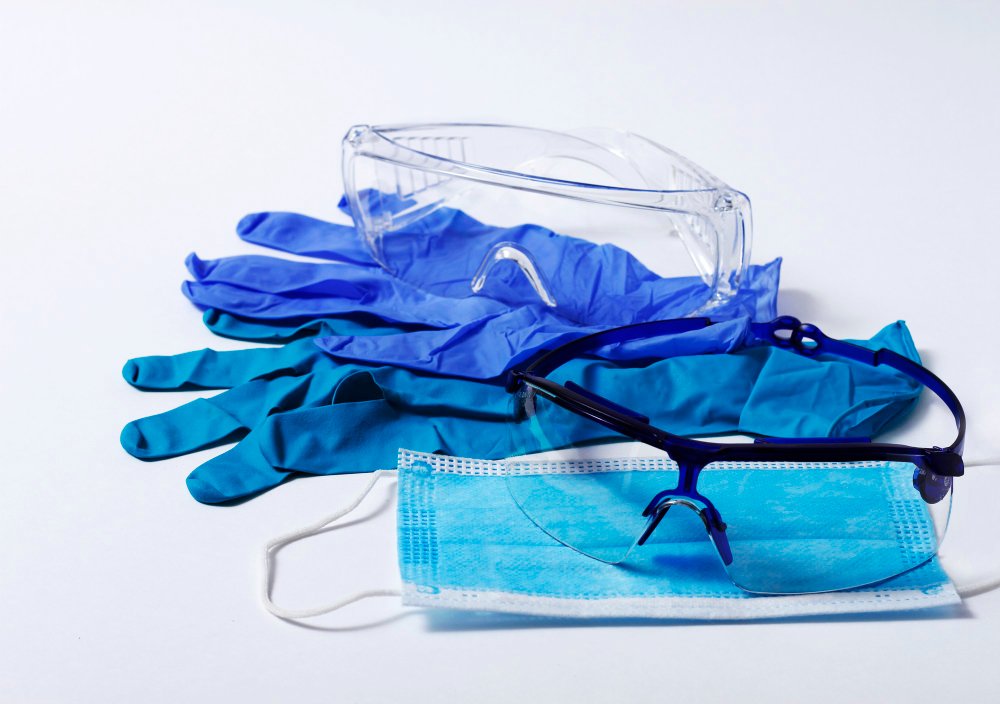
    When you go to a hospital or clinic, you often see doctors, nurses, and helpers wearing gloves, masks, gowns, and face shields. These are all parts of something called a Personal Protective Equipment kit. People also call it PPE. These kits help keep both doctors and patients safe from germs and viruses.

    Not just hospitals, even in labs, factories, or while cleaning, people wear PPE to stay safe. But it is very important to use PPE in the right way. Just wearing gloves or a mask is not enough. If you do not wear them properly, they might not keep you safe. So today, let’s learn what PPE is, what things are inside it, and how to use each one correctly.

    We’ll also look at how a surgical products wholesaler in Ahmedabad supports healthcare. Aarvi Touch provides PPE kits regularly to hospitals, laboratories, and other places where safety matters most.

    What Is a Personal Protective Equipment (PPE) Kit

    A PPE kit is a set of things that protect your body from coming in contact with harmful stuff like blood, chemicals, or viruses. It works like a shield. People working in hospitals, cleaning jobs, factories, or emergency work wear PPE to stay safe.

    Different PPE kits have different items, depending on the job. But most kits have:

    • Gloves
    • Face mask or N95 mask
    • Face shield or goggles
    • Gown or coverall
    • Shoe covers
    • Hair cap

    Each thing in the PPE kit has a special job. Let’s learn how to use them correctly.

    How to Use Gloves Properly

    Gloves keep your hands safe. They are made of rubber or a soft plastic called latex or nitrile. Before putting them on:

    • Wash your hands with soap
    • Dry your hands fully
    • Put on one glove at a time. Do not touch the outside too much
    • When wearing gloves:
    • Do not touch your face
    • Do not use your phone or eat food

    After using:

    • Take them off by turning them inside out
    • Throw them in a medical waste bin
    • Wash your hands again

    How to Wear a Face Mask Correctly

    Masks cover your nose and mouth so germs cannot enter or come out. Here’s how to wear a mask:

    • Wash your hands before touching the mask
    • Put the mask on your nose and mouth
    • Use the loops to fix it behind your ears
    • Make sure there are no open spaces on the sides

    Do not:

    • Pull your mask down below your chin
    • Touch the front of the mask again and again
    • Use the same mask again if it is dirty or wet

    What About Face Shields or Goggles

    Face shields and goggles protect your eyes. Germs can enter through your eyes too. So wearing eye protection is also very important.

    To wear a face shield:

    • Put it over your face and forehead
    • Make sure it covers from your eyes to under your chin
    • It should fit well but feel comfortable

    After using:

    • Clean it with a disinfectant
    • Keep it in a clean and dry place
    • Gowns and Coveralls

    These clothes go over your regular clothes. They protect your body. Doctors wear gowns while checking patients. Coveralls are full-body suits used when the risk is very high.

    To wear:

    • Make sure it is not torn
    • Zip or tie it properly
    • Make sure your full body is covered

    To remove:

    • Take it off carefully
    • Do not touch the outside
    • Wash your hands after removing it

    Shoe Covers and Hair Caps

    Shoe covers stop dirt from going into clean rooms like operation theatres. Hair caps stop loose hair from falling on clean places or wounds. These are easy to wear. But always throw them in the medical bin after using. Do not use them again if they are for single use.

    Importance of Using PPE the Right Way

    Some people think wearing PPE is enough. But that is not true. You must use it correctly. Here’s why:

    • It protects you from getting sick
    • It stops spreading infections
    • It keeps hospitals, homes, and other places safe

    Always wear PPE before going to a risky area and take it off properly when you leave. Also, washing hands before and after is very important.

    Where Do Hospitals Get PPE Kits From

    Hospitals do not make PPE kits themselves. They buy them from companies that supply medical products. Aarvi Touch gives hospitals and labs safe and clean PPE kits, gloves, and masks.

    These wholesalers are very important. Without them, hospitals may not have the safety items they need. So it is very important to choose a good supplier who makes sure the products are:

    • Clean and packed well
    • Made from good materials
    • Safe to use
    • Always ready when needed

    Mistakes People Make While Using PPE

    Let’s see some common mistakes people make when using PPE:

    • Wearing gloves without washing hands – Dirty hands can still spread germs inside the gloves
    • Touching the mask again and again – Every time you touch it, germs may spread
    • Removing PPE in the wrong way – Germs can touch your skin
    • Using items that are broken or too old – They will not work well
    • Using throwaway items again – This is not safe. Most PPE items are for one-time use only

    If you avoid these mistakes, you can stay much safer.

    Who Should Use PPE Kits

    Many people think only doctors need PPE kits. But that is not true. Many people need them, like:

    • Hospital workers
    • Lab workers
    • Cleaners
    • Police and rescue workers
    • Factory workers
    • People working with chemicals
    • People caring for sick family members at home

    So PPE is not just for hospitals. Anyone at risk should use it properly.

    Tips for Proper PPE Storage

    To keep your PPE items safe and clean:

    • Keep them in a dry and clean place
    • Do not put them near dirty things
    • Store them in a closed box or bag
    • Do not touch the inside part unless needed

    Before using, always check the packet. If it is open or damaged, do not use it.

    What to Do After Removing PPE

    Once you remove your PPE:

    • Put all used items in the medical waste bin
    • Wash your hands with soap for at least 20 seconds
    • Clean reusable items like face shields or goggles
    • If you were in a very risky place, take a bath

    This will help remove any germs that may be on your body or hair.

    Why Choosing the Right Supplier Matters

    A good Personal Protective Equipment kit will only work if it is made from good materials and packed cleanly. That’s why choosing the right surgical products wholesaler in Ahmedabad is very important. Aarvi Touch gives PPE kits that are safe and tested. If you use the wrong product, it may not protect you. So always check that your PPE kit is clean and packed well. It should come from a trusted supplier.

    Final Thoughts

    PPE kits are not just normal clothes. They protect your health. Whether you are in a hospital, lab, or at home caring for someone sick, it is very important to wear and remove PPE properly. Just wearing a mask or gloves is not enough. You must use them in the correct way and throw them away safely after use.

    Aarvi Touch, a trusted Surgical products Supplier in Ahmedabad, helps supply hospitals with safe and clean PPE kits. Because of good suppliers like them, many people can stay safe while doing their jobs.

    If you want to know more about PPE kits or need help getting safe medical items, feel free to contact us. Our team is always ready to help you stay safe.

  • A Beginner’s Guide to Common Disposable Surgical Supplies

    A Beginner’s Guide to Common Disposable Surgical Supplies

    A Beginner’s Guide to Common Disposable Surgical Supplies

    When you go to a hospital, you might see doctors and nurses using gloves, masks, or syringes. After using them once, they throw them away. These are called disposable surgical supplies. They are used only one time to keep everything clean and safe. This helps protect both the patient and the healthcare worker from germs and sickness.

    But what are these supplies? Why are they important? And who makes sure they are clean and safe to use?

    Let’s take a simple look at all these things. If this is your first time learning about it, do not worry. This blog is an easy guide for beginners to understand common disposable surgical supplies. This blog will also cover the work done by a Disposable Surgical Product Supplier in Ahmedabad. Aarvi Touch plays an important role in making sure hospitals never run out of these important supplies.

    What Are Disposable Surgical Supplies

    Disposable surgical supplies are tools and items used in hospitals that are thrown away after one use. They are made to stop the spread of germs and sickness. Since they are used only one time, they do not need to be washed or cleaned.

    Some examples of disposable surgical supplies are

    • Surgical Masks
    • Disposable Caps and Shoe Covers
    • Disposable Hand Gloves
    • Surgical Gowns
    • Disposable Bedsheets

    These items are very important during operations, injections, wound care, and checkups.

    Why Are They Important

    Think about this. What if a doctor used the same needle or gloves for many patients? That would be very dangerous. Germs from one patient can go to another and make them sick. That is why disposable surgical supplies are so helpful. They 

    • Keep everything clean
    • Stop infections from spreading
    • Save time because they do not need washing
    • Make hospitals safe for everyone

    Even the smallest item is important in keeping people safe and healthy.

    Common Types of Disposable Surgical Supplies

    Let us learn more about each item so you can understand what it does and why it is used.

    1. Surgical Masks

    Surgical masks are soft face covers that doctors and nurses wear over their nose and mouth. They stop germs from spreading when someone coughs, sneezes, or talks. These masks help protect both the person wearing it and the patient. They are thrown away after one use to keep everything clean and safe.

    2. Disposable Caps and Shoe Covers

    Disposable caps are worn on the head, and shoe covers are worn on the feet. Doctors and nurses wear them in operation rooms to keep hair, dust, and dirt away. These items help keep the hospital areas clean and free from germs. After one use, they are thrown away.

    3. Disposable Hand Gloves

    These are thin gloves that doctors wear on their hands. They protect both the doctor and the patient from touching germs or blood. These gloves are used only once and then thrown away. They are usually made from rubber-like materials such as latex, nitrile, or vinyl.

    4. Surgical Gowns

    Surgical gowns are special clothes that cover the doctor’s body during surgery or checkups. They keep the doctor’s clothes clean and stop germs from spreading. Gowns are usually used in operation rooms and are thrown away after one use.

    5. Disposable Bedsheets

    Disposable bedsheets are soft sheets used to cover hospital beds. They are used for one patient and then thrown away. This helps keep the bed clean and stops the spread of germs. These bedsheets are very useful in hospitals, clinics, and even in ambulances.

    Who Supplies These Products

    Medical supplies used in hospitals come from trusted suppliers, not from the hospitals themselves. Aarvi Touch, a surgical products supplier, plays a key role in delivering high-quality and safe products for daily care.These suppliers work hard behind the scenes. They check each item, pack it properly, and deliver it on time. This way, doctors always have what they need.

    In Ahmedabad, many hospitals trust local companies. A good Disposable Surgical Product Supplier in Ahmedabad makes sure there are no delays and hospitals always have the products they need.

    How Are These Products Made

    Most disposable surgical supplies are made in big factories. These factories follow strict safety rules. Here is how it usually works

    1. Choosing Materials – Good quality plastic, rubber, and fabric are picked
    2. Making the Product – Machines shape the items like gloves or masks
    3. Cleaning – Special machines remove all germs from the products
    4. Packing – Every item is packed in a clean cover
    5. Labeling – Labels are added with details like expiry date and instructions
    6. Shipping – The items are put into boxes and sent to hospitals

    Aarvi Touch make sure all these steps are done properly. When the product reaches the doctor, it is ready to use safely.

    What to Look for in a Surgical Products Supplier

    If you work at a hospital or clinic, you should choose your supplier carefully. A good supplier should

    • Give good quality and safe products
    • Always deliver on time
    • Follow all health and safety rules
    • Pack products cleanly
    • Store products in a clean place

    In a growing city like Ahmedabad, hospitals need a trusted surgical products supplier to keep everything running well.

    Safety and Disposal of These Products

    Using disposable products is not enough. We must also throw them away in the right way. Items like gloves, needles, and masks should be thrown into special bins. This stops infections from spreading to others.

    Hospitals use color-coded bins like

    • Yellow for things with body fluids or tissues
    • Red for plastic items like gloves or tubes
    • White for sharp items like needles or blades

    These bins are later cleaned or burned safely so that the environment stays clean too.

    Benefits of Using Disposable Surgical Supplies

    Here are some simple reasons why disposable supplies are so helpful

    • Used only once so no risk of infection
    • No washing needed so saves time
    • Always clean and safe to use
    • Easy to store and carry
    • Available in large numbers whenever needed

    Because of these reasons, most hospitals now prefer disposable items over reusable ones.

    The Role of Aarvi Touch

    Aarvi Touch is a well-known name in the medical supply field. As a Disposable Surgical Product Supplier in Ahmedabad, they work every day to give hospitals safe and useful products. They do not just sell products. They also care about quality, safety, and fast delivery. That is why many hospitals and clinics trust Aarvi Touch to support them.

    Final Thoughts

    Disposable surgical supplies may look small and simple. But they do a very big job in saving lives. They protect patients during surgeries and keep doctors safe too. Behind every supply item is the hard work of a company like Aarvi Touch. A trusted surgical products supplier makes sure hospitals are ready to care for people at any time.

    Whether it is gloves, masks, or syringes, each one is important. By choosing the right Disposable Surgical Product Supplier in Ahmedabad, hospitals can focus on what really matters—treating patients and saving lives.

    Want to learn more about safe and clean disposable surgical products? Contact us today. We are here to help hospitals, clinics, and care centers with the best products.

  • What Are Bio Medical Waste Bags and Why Are They Important?

    What Are Bio Medical Waste Bags and Why Are They Important?

    What Are Bio Medical Waste Bags and Why Are They Important?

    Biomedical waste management is one of the most important pillars of healthcare safety. Whether it is a small clinic, a large hospital, a pathology lab, a dental practice, or even a home-care environment, every place where medical treatments happen produces waste. Not all waste is dangerous, but a major portion of it carries infections, harmful chemicals, sharp objects, or body fluids. This type of waste requires special handling, and the most important tool for safe disposal is the Bio Medical Waste Bag.

    In this detailed guide, we will explore what biomedical waste bags are, how they are made, why they matter, what standards they must follow, and how choosing the right bags from trusted Bio Medical Waste Bags Manufacturers in Ahmedabad ensures complete safety and compliance. This content includes deep explanations to ensure every customer finds the answer they need in one place.

    What Exactly Is Biomedical Waste?

    Biomedical waste, also called clinical or infectious waste, includes:

    • Waste generated during diagnosis
    • Waste from treatment or surgery
    • Laboratory waste
    • Research waste
    • Animal research waste
    • Medical device disposal
    • Waste from vaccination and sample collection

    Some common examples include:

    • Used cotton, gauze, swabs
    • Human tissues or organs
    • Blood-soaked pads
    • Syringes, needles, blades
    • Catheters, IV sets
    • Expired or discarded medicines
    • Laboratory cultures
    • Contaminated gloves, masks, PPE kits

    Biomedical waste can spread diseases like hepatitis, HIV, bacterial infections, and other harmful pathogens if not managed properly. In India, the Biomedical Waste Management Rules, 2016 (amended in 2018 & 2019) strictly regulate how these wastes must be segregated, stored, transported, and treated.

    What Are Biomedical Waste Bags?

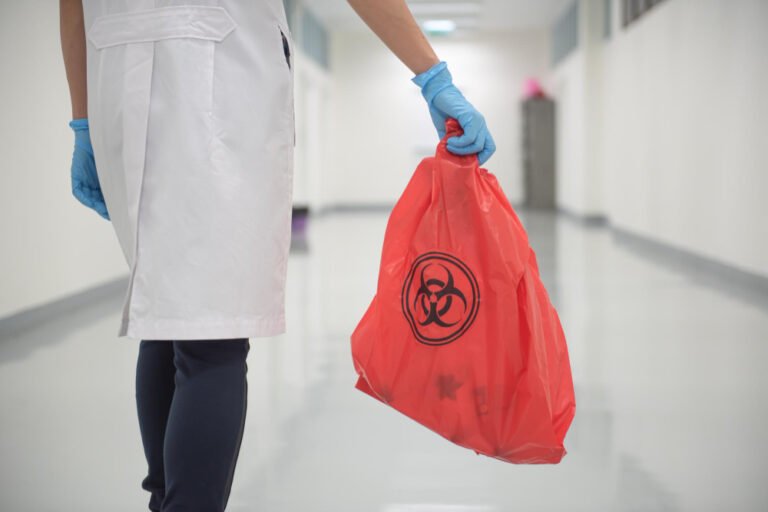
    Biomedical waste bags are specially designed disposal bags made from high-strength polymers that are used to safely contain, store, transport, and dispose of infectious or hazardous medical waste. They are not ordinary plastic bags, they must follow strict standards.

    Key Features of Biomedical Waste Bags

    • High-Density Material: They are made from strong, medical-grade polymers such as HDPE (High-Density Polyethylene) or LDPE blends that resist tearing.
    • Non-Chlorinated Plastic: Government guidelines mandate that bags must be free from chlorine to ensure safe incineration.
    • Leak-Proof Construction: Biomedical waste can include liquids, blood, or infected discharge. Bags must prevent leakage at all times.
    • Durability & Puncture Resistance: Waste may contain sharp or pointed objects. Bags should resist punctures under pressure.
    • Clear Print with Biohazard Symbol: A mandatory requirement to identify the type of waste inside.
    • Color Coding Compliance: India follows a strict color-coded classification system for different types of medical waste.

    How Biomedical Waste Bags Are Manufactured

    Most people do not know that manufacturing a biomedical waste bag involves multiple quality tests and strict regulatory checks. Reliable Bio Medical Waste Bags Manufacturers in Ahmedabad follow these steps:

    Step 1: Raw Material Selection

    Manufacturers use:

    • HDPE granules
    • LDPE granules
    • Non-chlorinated plastic compounds

    These materials ensure tensile strength, heat resistance, and proper incineration without toxic smoke.

    Step 2: Blown Film Process – The material is melted and blown into thin sheets of plastic film. The thickness usually ranges from 40 to 60 microns, depending on the category.

    Step 3: Cutting and Sealing – The sheets are cut into bags and sealed using heat sealing to create leak-proof bottoms.

    Step 4: Printing – Mandatory information is printed, including:

    • Biohazard symbol
    • Waste category
    • Bag capacity
    • Disposal instructions
    • Manufacturing details
    • Date and batch number

    Step 5: Testing – High-quality manufacturers conduct tests for:

    • Leak resistance
    • Tear resistance
    • Drop test
    • Puncture resistance
    • Chemical resistance

    This ensures that bags do not tear or leak during usage.

    Why Are Biomedical Waste Bags Important?

    Biomedical waste bags are the foundation of safe hospital waste management. Without them, waste segregation becomes impossible, and infectious materials can mix with regular garbage, posing a huge public health risk.

    Let’s understand their importance in detail:

    1. Prevents Spread of Infection

    Healthcare waste often contains viruses, bacteria, and harmful pathogens. If not sealed properly, infectious waste can easily contaminate surfaces, air, and water. Biomedical waste bags ensure:

    • No direct contact
    • No exposure to air
    • No risk of contamination
    • Safe temporary storage

    This protects medical staff, sanitation workers, and patients.

    2. Supports Safe Waste Segregation

    Segregation is the first and most critical step in waste management. Biomedical waste bags allow hospitals to classify waste into:

    • Infectious
    • Recyclable
    • Sharps
    • Glass
    • Pathological waste

    Proper segregation prevents mixing different categories, which could otherwise increase treatment cost and environmental damage.

    3. Helps Healthcare Facilities Meet Legal Compliance

    Indian guidelines require healthcare facilities to:

    • Use correct color-coded bags
    • Label waste correctly
    • Follow disposal timelines
    • Maintain waste records
    • Use authorized treatment facilities
    • Non-compliance can lead to:
    • Heavy penalties
    • License cancellation
    • Environmental damage
    • Legal cases

    High-quality bags from certified manufacturers help hospitals strictly follow these rules.

    4. Protects Waste Handlers and Disposal Teams

    Waste handlers are at high risk of injury and infection if waste is not stored in proper bags. Biomedical waste bags reduce exposure to:

    • Sharp objects
    • Blood-contaminated items
    • Toxic chemicals
    • Disease-causing pathogens

    Strong, leak-proof bags protect those who collect, transport, and dispose of waste.

    5. Ensures Safe Transportation of Waste

    After waste is sealed, it must be transported to a Common Biomedical Waste Treatment Facility (CBWTF). During transportation, there should be:

    • No spills
    • No odors
    • No leakage
    • No accidental tearing

    High-quality bags maintain integrity even under weight and movement.

    Color Coding System for Biomedical Waste Bags

    India follows a 4-color coding system, and strictly using these colors is essential to maintain hygiene and compliance.

    Yellow Bags – Incineration Waste

    Used for:

    • Human anatomical waste
    • Soiled waste (blood-soaked pads, cotton)
    • Expired medicines
    • Microbiology cultures
    • Isolation ward waste

    These bags are made for incineration and must be non-chlorinated.

    Red Bags – Contaminated Recyclable Waste

    Used for:

    • Tubes
    • Catheters
    • Gloves
    • IV sets
    • Syringes (without needles)

    These items are disinfected first and then recycled.

    White Containers – Sharps

    Used for:

    • Needles
    • Scalpels
    • Blades
    • Surgical knives

    The containers are puncture-proof to avoid injuries.

    Blue Bags – Glass and Metallic Waste

    Used for:

    • Broken glass
    • Medicine vials
    • Ampoules
    • Laboratory glass

    These items are cleaned and recycled.

    How Hospitals Should Use Biomedical Waste Bags

    Hospitals and healthcare centers must follow proper steps:

    1. Place Bags at Every Generation Point: Bags must be placed at:

    • Operation theaters
    • OPD
    • ICU
    • Wards
    • Laboratories
    • Dressing rooms
    • Dental clinics

    2. Do Not Overfill: Bags should be filled only up to three-fourths capacity to avoid bursting.

    3. Tie the Bag Securely: Bags should be closed with strong ties or non-metallic strings.

    4. Label the Bag: Each bag must include:

    • Date
    • Name of facility
    • Waste category

    This is required by law.

    5. Move Waste to Temporary Storage Room: Waste should be stored in a designated, well-ventilated room.

    6. Handover to CBWTF: Authorized waste disposal agencies collect and treat waste using:

    • Autoclaving
    • Microwaving
    • Incineration
    • Shredding

    Environmental Importance of Biomedical Waste Bags

    Biomedical waste is dangerous for nature. If not handled correctly, it can:

    • Pollute rivers and lakes
    • Harm soil quality
    • Spread toxins in air
    • Affect wildlife
    • Enter the food chain

    Using certified biomedical waste bags ensures that:

    • Waste is burnt at safe temperatures
    • Plastics do not release toxic fumes
    • Liquids do not leak into soil
    • Waste is recycled properly

    This supports sustainability in healthcare.

    Why Hospitals Should Buy from Reliable Manufacturers

    Not all bags available in the market meet medical standards. Poor-quality bags:

    • Tear easily
    • Leak infectious material
    • Cannot handle heavy load
    • Fade or lose color
    • Don’t meet legal requirements

    Hospitals should use bags only from experienced Bio Medical Waste Bags Manufacturers in Ahmedabad because they understand:

    • Government rules
    • Color coding norms
    • Correct bag thickness
    • Sterility and safety standards
    • Waste treatment compliance

    This ensures zero risk and full reliability.

    Why Choose Aarvi Touch?

    As a trusted Surgical Product wholesaler, Aarvi Touch supplies high-quality biomedical waste bags and a wide range of surgical products. Their focus on hygiene, safety, and compliance has made them a preferred choice for:

    • Hospitals
    • Clinics
    • Laboratories
    • Dental practices
    • Nursing homes

    Their products are:

    • Strong
    • Durable
    • Leak-proof
    • Government compliant
    • Available in all sizes and colors

    With strict quality checks and reliable manufacturing partners, they ensure every bag supports safe, hygienic biomedical waste disposal.

    Frequently Asked Questions

    1. Are biomedical waste bags compulsory?

    Yes, every healthcare facility must use color-coded biomedical waste bags as per government rules.

    2. Can general plastic bags be used?

    No. They are not safe, not legal, and not recommended.

    3. What is the thickness of biomedical waste bags?

    Usually between 40–60 microns, depending on waste type and bag size.

    4. How long can biomedical waste be stored?

    Not more than 48 hours.

    5. Where can I buy certified biomedical waste bags?

    You should purchase from certified Bio Medical Waste Bags Manufacturers in Ahmedabad to ensure quality and compliance.

    Conclusion

    Biomedical waste bags are the backbone of safe healthcare waste management. They protect staff, patients, sanitation workers, and the environment. Using the right bags not only ensures safety but also keeps healthcare facilities legally compliant. Choosing high-quality bags from trusted suppliers helps ensure hygiene, safety, and professional standards in every healthcare setting. If you need strong, durable, and certified biomedical waste bags or any other medical supplies, we are here to help. Call us today!

  • Avoid These Common Mistakes While Using Blood Collection Tubes

    Avoid These Common Mistakes While Using Blood Collection Tubes

    Avoid These Common Mistakes While Using Blood Collection Tubes

    When we go to the hospital for a blood test, everything looks simple. A nurse takes a little blood using a small tube, puts a label on it, and sends it to the lab. But the truth is, taking blood is a very careful job. Even one small mistake can change the test result. This can lead to the wrong treatment.

    That’s why healthcare workers must be extra careful when using blood collection tubes. These small tubes may not look like much, but they are very important for correct test results. Aarvi Touch is a trusted Blood Collection Tubes Manufacturer in Ahmedabad. We know how important it is to avoid mistakes with these tubes. In this blog, we will talk about common errors and how to use blood tubes the right way.

    1. Using the Wrong Tube

    Not all blood tubes are the same. Each tube has a different colored cap. Each color means a different use. Some are for sugar tests, some for blood clotting, and others for infection checks. Each has special chemicals inside.

    Common mistake: Using the wrong colored tube. For example, using a red cap instead of a blue cap. This gives the wrong test result.

    How to avoid: Check the color of the cap before using. Make sure to use the right one. Staff should also get regular training.

    2. Not Mixing the Tube After Taking Blood

    Some tubes have a chemical that stops the blood from clotting. These tubes must be mixed gently after collecting the blood. If not, the blood may clot or give a wrong result.

    Common mistake: Forgetting to mix or shaking too hard.

    How to avoid: Turn the tube upside down slowly 5 to 10 times. Do not shake it hard. That can break blood cells.

    3. Taking Too Much or Too Little Blood

    Every tube needs a certain amount of blood. If there is too much or too little, the chemical inside won’t work properly.

    Common mistake: Not filling the tube to the right level.

    How to avoid: Use the fill line on the tube as a guide. Make sure it’s not over or under the line.

    4. Taking Blood from the Wrong Place

    Usually, blood is taken from a vein in the arm. But sometimes, it may be hard to find a good vein.

    Common mistake: Taking blood from a swollen area or near a drip. This gives a poor sample.

    How to avoid: Choose a clean and healthy vein. If unsure, ask someone senior.

    5. Waiting Too Long After Collection

    Once blood is taken, it must be labeled and sent to the lab quickly. Waiting too long can change the blood.

    Common mistake: Leaving the tube on a table for too long.

    How to avoid: Label it right away and send it to the lab without delay.

    6. Wrong Labeling

    One small mistake in labeling can cause big problems. If a tube has the wrong name, one patient may get someone else’s report.

    Common mistake: Writing the wrong name or forgetting to write it at all.

    How to avoid: Always check the patient’s name before writing. Use printed labels if possible and confirm with the patient.

    7. Not Wearing Gloves or Keeping Things Clean

    Taking blood is not just about tubes. It is also about safety. The person taking blood must wear gloves and keep everything clean.

    Common mistake: Not wearing gloves or not cleaning the skin properly.

    How to avoid: Always wear gloves. Clean the skin with alcohol before using the needle. Throw used things in proper bins.

    8. Reusing the Tubes

    Blood collection tubes are for one-time use only. They must be thrown away after use. Reusing them is not safe.

    Common mistake: Washing and using a tube again.

    How to avoid: Never reuse. Use a new, sealed tube every time. Aarvi Touch, as a surgical products wholesaler, always says safety comes first.

    9. Using Tubes That Are Expired

    Tubes also have an expiry date. After this date, the chemical inside may not work.

    Common mistake: Using old or expired tubes.

    How to avoid: Always check the expiry date. Hospitals should remove old tubes regularly.

    10. Keeping Tubes in the Wrong Place

    Tubes should be stored in a clean and dry place. Heat, light, and moisture can damage them.

    Common mistake: Leaving tubes near windows or in damp places.

    How to avoid: Keep them in a cool, dry cabinet. Keep the box closed until you need it.

    11. Not Making the Patient Comfortable

    Taking blood should be smooth and not scary. But sometimes, nurses may rush or not explain what they are doing. This makes patients nervous.

    Common mistake: Being rough or not telling the patient what is happening.

    How to avoid: Talk to the patient. Explain the steps. A calm patient makes the job easier.

    12. Not Following the Right Tube Order

    If many tubes are collected, they must be filled in the correct order. This is called the “order of draw”. If done wrong, the test result may be wrong.

    Common mistake: Filling the tubes in the wrong order.

    How to avoid: Learn the correct order and always follow it.

    Why Carefulness Matters

    Blood tests help doctors know what is happening inside the body. From sugar levels to infections, test results guide treatment. That’s why blood collection must be done correctly.

    At Aarvi Touch, a leading Blood Collection Tubes Manufacturer in Ahmedabad, we always tell health workers to take this job seriously. Good healthcare starts with correct blood collection.

    Final Thoughts

    Using blood collection tubes the right way is not hard. It just needs attention and training. The mistakes we talked about can be easily avoided. Whether you are a doctor, nurse, or lab worker, you play an important role. And clinics should choose trusted suppliers like a good surgical products wholesaler. Aarvi Touch proudly provides safe, high-quality medical products to help healthcare teams work better. By being careful, we can avoid many problems and help patients in the best way. Behind every good blood report is someone who did the small things right.

    Have questions about safe blood collection tubes or want to know how Aarvi Touch can help your clinic or hospital? Contact us today. We are always ready to help healthcare workers with the right products and easy guidance.

  • Understanding the Role of an Examination Hand Gloves Wholesaler in Ahmedabad

    Understanding the Role of an Examination Hand Gloves Wholesaler in Ahmedabad

    Understanding the Role of an Examination Hand Gloves Wholesaler in Ahmedabad

    When we talk about hospitals, clinics, or any place where health care is given, safety and cleanliness are the most important things. One small mistake can make someone very sick, especially when doctors or nurses are touching patients. That’s why wearing examination gloves is not just a habit—it’s something they must do.

    Everyone knows gloves are a basic need in medical care, but not many think about the source. Aarvi Touch, a trusted Examination Hand Gloves Wholesaler in Ahmedabad, plays a key role in making sure gloves are always available, safe, and meet high standards. Let’s learn why their work is so important and how they help hospitals and health workers every single day.

    What Are Examination Hand Gloves

    Before we talk about wholesalers, let’s first understand what examination gloves are.

    Examination gloves are thin gloves that are used only one time and then thrown away. They are made from things like latex, nitrile, or vinyl. These gloves are used when a doctor checks a patient or during small treatments. The main job of these gloves is to keep hands clean and stop germs from spreading between people. Doctors, nurses, dentists, and lab workers all wear these gloves to keep themselves and their patients safe.

    Why Do We Need a Wholesaler

    You may think, why not buy gloves directly from the factory?

    Here’s the answer.

    Companies that make gloves usually make a very large number of them at once. They don’t take small orders. Also, they cannot deliver quickly to many small hospitals and clinics. That’s where a wholesaler comes in.

    A wholesaler buys big amounts of gloves from the companies and then sells them to hospitals, clinics, labs, and medical shops in the right amount. They work as the middle person between the maker and the user.

    How Does a Wholesaler Help in Healthcare

    An Examination Hand Gloves Wholesaler in Ahmedabad is not just someone who sells gloves. They do much more. Let’s see how they help:

    1. Always Having Gloves Ready

    Gloves are used every day in hospitals. If a hospital runs out of gloves in the middle of the day, it can be a big problem. Wholesalers keep many gloves in stock so hospitals never run out.

    2. Making Sure the Gloves Are Good

    Before gloves reach hospitals, a reliable wholesaler makes sure they are strong and safe. Aarvi Touch takes care of this by sending only well-checked, high-quality gloves to medical centers.

    3. Different Types of Gloves

    Some people are allergic to latex, so they need nitrile or vinyl gloves. Wholesalers keep all types of gloves so every hospital can choose the one they need.

    4. Easy to Buy

    Hospitals don’t have time to search for many sellers. A wholesaler gives them everything in one place. This saves a lot of time and effort.

    5. Helpful Advice

    Wholesalers know a lot about gloves. They can give advice on which gloves are best for different jobs. This is very helpful, especially for small clinics that don’t know much about gloves.

    Important During Emergencies

    Think about the time when COVID-19 was happening. Everyone needed gloves, masks, and safety kits quickly. In that time, wholesalers helped by giving gloves in large numbers and delivering them fast. If they were not there, hospitals would not have had the safety items they needed. A good Examination Hand Gloves Wholesaler in Ahmedabad has strong delivery systems and big storage areas. This helps them act quickly in times of emergency.

    Helping Small Clinics and Labs

    Not all health centers are big hospitals. There are many small clinics, labs, and nursing homes that also need gloves. These small places can’t buy directly from factories. Wholesalers help them by giving gloves in the right amount small or big depending on what they need. This keeps their work going smoothly without wasting gloves or running out of them.

    Supporting Local Healthcare

    One of the best things about working with a local wholesaler is that they are nearby. A local Examination Hand Gloves Wholesaler in Ahmedabad can deliver fast. There’s no need to wait for long shipping times. If there’s any problem or an urgent need, the hospital can just call or visit the wholesaler. This is very helpful when things move fast in a hospital.

    Caring About the Earth

    Some wholesalers now also offer gloves that are better for the environment. These gloves are made in a way that causes less pollution. They also guide hospitals on how to throw away used gloves safely. This helps keep the Earth clean and safe for everyone.

    Saves Time and Energy

    Imagine if a hospital had to call five different people just to buy gloves. That would waste a lot of time. When a hospital works with one good wholesaler, they get everything from one place. It becomes easy to order, check delivery, and get more when needed. This lets doctors and nurses spend more time helping patients instead of worrying about supplies.

    Building Trust Over Time

    When hospitals buy from the same wholesaler again and again, they build a good relationship. The wholesaler learns what the hospital likes and keeps those gloves ready. They may even remind the hospital when it’s time to buy more. This long-term partnership makes things smoother and more reliable.

    How to Choose the Right Wholesaler

    Not every wholesaler is the same. It’s important to choose one who:

    • Gives good quality gloves
    • Knows about safety in medical care
    • Delivers quickly
    • Is easy to reach
    • Has a good name in the market

    Aarvi Touch is trusted because they understand what doctors and nurses go through and always make sure they get what they need.

    Final Thoughts

    Knowing about the work of an Examination Hand Gloves Wholesaler in Ahmedabad helps us understand how hospitals run behind the scenes. It’s not just about doctors treating patients. It’s also about the people who make sure that gloves and other safety items are always ready and safe.

    Aarvi Touch doesn’t work inside hospitals, but their role is just as important. As a reliable wholesaler, their constant support ensures smooth operations and safety for both healthcare workers and patients. For more information, contact us today!

  • Using Home Test Kits? Tips from a Diagnostic Test Kit Manufacturer in Ahmedabad

    Using Home Test Kits? Tips from a Diagnostic Test Kit Manufacturer in Ahmedabad

    Using Home Test Kits? Tips from a Diagnostic Test Kit Manufacturer in Ahmedabad

    Health is very important, and we should never ignore it. But in today’s busy world, it’s not always easy to go to the doctor or a lab when we feel something is wrong. That’s why home test kits are helpful. These easy kits let you check your health while sitting at home. Whether you want to check your blood sugar, blood pressure, or do a COVID test, home test kits make it quick and simple.

    At Aarvi Touch, a trusted Diagnostic Test Kit Manufacturer in Ahmedabad, we believe everyone should have easy and fast access to health tools. In this blog, we will explain how home test kits help and how to use them properly. Let’s begin.

    What Are Home Test Kits?

    Home test kits are small tools that help you check your health at home. You don’t need to visit a hospital or lab. These kits are made simple, so anyone can use them easily. Most of them have clear steps, and some show results in just a few minutes.

    There are many types of home test kits like:

    • Blood sugar kits for checking diabetes
    • Pregnancy test kits
    • COVID-19 test kits
    • Cholesterol level kits
    • Urine infection test strips
    • Blood pressure checking machines

    These kits give quick results and help you decide if you should go to a doctor or start any treatment.

    Benefits of Using Home Test Kits

    1. Saves Time and Energy
      The biggest benefit of home test kits is that they save time. No need to go out, stand in lines, or wait for your turn. Just open the kit, follow the steps, and get your result at home. It’s that simple.
    2. Quick Results
      Most kits give results in a few minutes. For example, a pregnancy test or COVID test shows results in 5 to 15 minutes. This helps you take action fast if needed.
    3. Comfort and Privacy
      Some people feel shy or nervous about going to labs. Home kits let you do tests in private, at your own speed, and in your own home. This is very helpful for personal tests like pregnancy or infection tests.
    4. Good for Sick or Elderly People
      For people who are sick, old, or unable to travel, home kits are a big help. They can do the test themselves without needing anyone’s help.
    5. Helpful for Regular Health Checks
      If you have problems like high blood pressure or diabetes, you need to check your numbers often. Home kits make this easy. You can write down your results and show them to your doctor later.

    Things to Keep in Mind When Using Home Test Kits

    Even though these kits are easy, there are a few important things to remember:

    1. Read the Instructions
      Every kit has a guide. Read it properly before using. A small mistake can give a wrong result.
    2. Wash Your Hands
      Clean your hands before starting the test. This keeps everything safe and clean.
    3. Use the Kit One Time Only
      Most test kits are for one use only. Don’t try to use them again. Throw them away safely after one use.
    4. Store the Kit Properly
      Keep the kit in a cool, dry place. Do not keep it in sunlight or near heat. That can spoil it.
    5. Check the Expiry Date
      Always check the expiry date written on the box. An expired kit may give you wrong results.

    Expert Tips from Aarvi Touch – A Leading Diagnostic Test Kit Manufacturer in Ahmedabad

    As a known Diagnostic Test Kit Manufacturer in Ahmedabad, we have helped many people use test kits the right way. Here are some useful tips from our side:

    1. Write Down Your Results
      Every time you use a kit, note down the result and the date. This helps you and your doctor understand your health better.
    2. Don’t Get Scared by One Result
      Sometimes a test may show something different. Don’t worry. Do the test again later or talk to a doctor to be sure.
    3. Use Good Quality Kits
      Always buy test kits from brands you can trust. At Aarvi Touch, we make sure all kits are safe and give correct results.
    4. Keep Learning About New Kits
      New and better kits keep coming. Try to use the latest ones. They are easier to use and more accurate.

    Common Myths About Home Test Kits

    Myth 1: Home kits don’t give correct results
    Truth: If you follow the steps and use them before expiry, kits from good companies give correct results.

    Myth 2: Only doctors can use test kits
    Truth: Home kits are made for everyone. You don’t need to be a doctor. Just read the instructions carefully.

    Myth 3: All test kits are the same
    Truth: Different brands have different quality. Always choose kits from trusted and approved companies.

    When to Visit a Doctor

    Home test kits are useful, but they do not replace doctors. You should go to a doctor if:

    • Your symptoms are getting worse
    • You get confused or unclear results
    • You see something strange in the result

    Doctors can check better and guide you on what to do next.

    Why Home Testing Is Becoming Popular

    Home test kits became very popular in the last few years, especially after COVID. People want to check their health quickly and easily. These kits help people take care of their health without going out.

    Here’s why more people are using them:

    • They help stop infections from spreading
    • They help people take care of their health early
    • They are great for busy people, kids, and older people
    • They reduce crowd in hospitals and labs

    Future of Home Test Kits

    With new technology, home kits will get even better. In the future, kits may connect to phones and send the result to doctors directly. This will make everything faster and smarter. At Aarvi Touch, we are happy to be a Diagnostic Test Kit Manufacturer in Ahmedabad that is helping in this change. We keep working to make better and safer test kits for everyone.

    Conclusion

    Home test kits have changed the way we look after our health. They are fast, easy to use, and give privacy. Whether you want to check sugar, blood pressure, or pregnancy, home kits make life easy. But always remember home kits are helpful, not a replacement for doctors. If you are not sure about the result, talk to a doctor.

    With the right knowledge and good quality kits, home testing can be a part of your daily health care. And when you use kits from Aarvi Touch, a trusted Diagnostic Test Kit Manufacturer in Ahmedabad, you know you are using something safe. Stay healthy, stay happy, and take charge of your health today. Contact Us today.

  • Benefits of Buying Medical Supplies from a Surgical Product Wholesaler in Ahmedabad

    Benefits of Buying Medical Supplies from a Surgical Product Wholesaler in Ahmedabad

    Benefits of Buying Medical Supplies from a Surgical Product Wholesaler in Ahmedabad

    Good healthcare depends on having the right medical products. Hospitals, clinics, labs, and health centers need products that are safe, reliable, and good quality. That’s why buying from a Surgical Products wholesaler in Ahmedabad can help a lot. Aarvi Touch is one supplier that makes it easy to get all your medical supplies in one place.

    In this blog, we will explain why buying from a trusted wholesaler is helpful and why it is better for your healthcare facility.

    1. Get Everything in One Place

    One big advantage of buying from a wholesaler is that you can get many products in one place. Aarvi Touch offers:

    • Surgical & Wound Care Products – gloves, bandages, sterilization tools, and surgical instruments.
    • Personal Protective Equipment (PPE) – masks, gloves, gowns, face shields, and more to keep staff safe.
    • Rapid Diagnostic & Testing Kits – easy kits to test different health conditions quickly.
    • Lab & Sample Collection Items – test tubes, swabs, containers, and other lab things.
    • Blood Collection & Disposable Items – needles, syringes, vials, and other items for safe blood collection.
    • Bio-Medical Waste Disposal Tools – bins, bags, and tools to safely handle medical waste.

    Having everything in one place saves time. Hospitals do not need to look for different suppliers. Everything is available under one roof.

    2. Safe and Good-Quality Products

    Quality is very important in healthcare. Poor-quality products can harm patients or staff.

    For Example: When you buy from a trusted surgical products supplier in Ahmedabad, every product is safe and reliable. Gloves and masks are checked for quality before reaching your facility. Rapid test kits give correct results. Waste disposal items are made to handle medical waste safely without harming people or the environment.

    Good-quality products last longer and work properly. This is very important because mistakes in hospitals or labs can be dangerous.

    3. Buy in Large Quantities Easily

    Hospitals and labs often need a lot of products. Buying in small amounts is not practical. With a wholesaler, you can buy everything in bulk.

    Benefits of buying in bulk:

    • Always have enough PPE, gloves, and surgical tools.
    • Less need to place orders frequently.
    • Staff can focus on patients instead of worrying about running out of supplies.

    For example, a hospital can order all its blood collection items, lab supplies, and surgical instruments in one go. This makes work easier and saves time.

    4. Saves Time and Effort

    Buying from many suppliers takes a lot of time. You need to search, call, order, and follow up. Buying from a reliable wholesaler reduces this work. Aarvi Touch gives all surgical products in one place. Staff can focus on patient care instead of finding supplies. Even small clinics benefit because they do not need to spend hours managing multiple orders. Everything is delivered on time in one package.

    5. Always Available

    Medical emergencies can happen anytime. Hospitals need PPE kits, testing kits, and surgical tools quickly. A good wholesaler makes sure important items are always available. Aarvi Touch keeps a strong supply, so hospitals and labs do not face shortages. This ensures patient care is never delayed.

    6. Access to New and Better Products

    Medical products keep improving. New testing kits, better PPE, and advanced surgical tools come regularly. Buying from a trusted surgical products wholesaler in Ahmedabad helps your hospital or lab get the latest products.

    • New rapid test kits that give results faster and more correctly.
    • Advanced surgical instruments for safer surgeries.
    • Better PPE that is comfortable and strong.

    Using new products helps healthcare providers give better care to patients.

    7. Easy Stock Management

    Managing medical stock can be hard. Hospitals need to check expiry dates, track usage, and make sure they do not run out. A reliable wholesaler makes this easier. They give regular supplies of surgical products, PPE, and test kits.

    For example, blood collection kits and disposable items are delivered on time, so labs never run out.

    8. Expert Advice and Help

    Suppliers like Aarvi Touch do more than deliver products. They also give advice about which items are best for your hospital or lab.

    • They can suggest the right PPE for different situations.
    • They can recommend test kits for accurate results.
    • They can guide safe disposal of medical waste.

    This support helps staff make the right choices and give better care to patients.

    9. Follows Safety Rules

    Medical products must follow safety rules to protect patients and staff. Trusted wholesalers make sure all items are safe.

    • Surgical instruments are sterilized and ready to use.
    • Blood collection items prevent infection.
    • Waste disposal tools handle medical waste safely.

    This gives hospitals peace of mind knowing their products are safe and approved.

    10. Good for All Healthcare Providers

    Whether you run a big hospital, a small clinic, a lab, or home care, a reliable wholesaler can help. From PPE kits to surgical tools to test kits, everything is available. Small clinics get the same good-quality products as big hospitals. This makes healthcare better for everyone—patients, doctors, and staff.

    11. Supports Local Business

    Buying from a local wholesaler helps the local economy. It also strengthens supply chains in the city, which is important during emergencies. Local suppliers can deliver products faster when needed. This reduces delays and keeps hospitals running smoothly.

    12. Environment-Friendly Options

    Many wholesalers now offer eco-friendly products. Waste disposal tools help hospitals manage medical waste safely without harming the environment. Using eco-friendly products is important because medical waste can be dangerous if not handled properly. Aarvi Touch provides safe options to handle waste responsibly.

    13. Long-Term Partnership

    Working with a reliable wholesaler builds a long-term relationship. Hospitals and labs get consistent quality, timely delivery, and support over time. This partnership makes ordering easier, reduces stress, and ensures smooth operations. Staff can focus on patients instead of managing supplies.

    14. Benefits of Different Product Categories

    Here is why different products from Aarvi Touch are helpful:

    1. Surgical & Wound Care Products: These include gloves, bandages, sterilization tools, and surgical instruments. High-quality products keep surgeries and treatments safe and effective.
    2. Personal Protective Equipment (PPE): PPE like masks, gloves, gowns, and face shields protect doctors, nurses, and lab staff. Good PPE reduces infection risk and keeps staff safe.
    3. Rapid Diagnostic & Testing Kits: Quick and correct tests are important for patient care. Rapid test kits help doctors find health problems early, leading to better treatment.
    4. Lab & Sample Collection Items: Test tubes, swabs, and containers help collect samples safely. Quality products ensure correct test results.
    5. Blood Collection & Disposable Items: Needles, syringes, and vials are important for safe blood collection. Good disposable items prevent infection.
    6. Bio-Medical Waste Disposal: Hospitals make a lot of waste, which can be dangerous. Waste disposal tools help staff manage it safely and protect the environment.

    Conclusion

    In healthcare, every product is important. Buying from Aarvi Touch, Surgical Products wholesaler in Ahmedabad gives hospitals, clinics, and labs safe, high-quality, and reliable medical supplies.

    From surgical tools, safety gear, and test kits to lab supplies and waste disposal items, a reliable surgical products supplier in Ahmedabad helps save time, makes it easier to keep track of stock, and lets hospital staff focus more on caring for patients.

    Aarvi Touch is a one-stop solution for all medical supply needs, offering guidance, timely delivery, and products that meet safety standards. Partnering with a reliable wholesaler helps healthcare providers work efficiently, stay safe, and give better care to patients. For more information, call us today!

  • How to Store and Handle Disposable Surgical Products to Maintain Sterility

    How to Store and Handle Disposable Surgical Products to Maintain Sterility

    How to Store and Handle Disposable Surgical Products to Maintain Sterility?

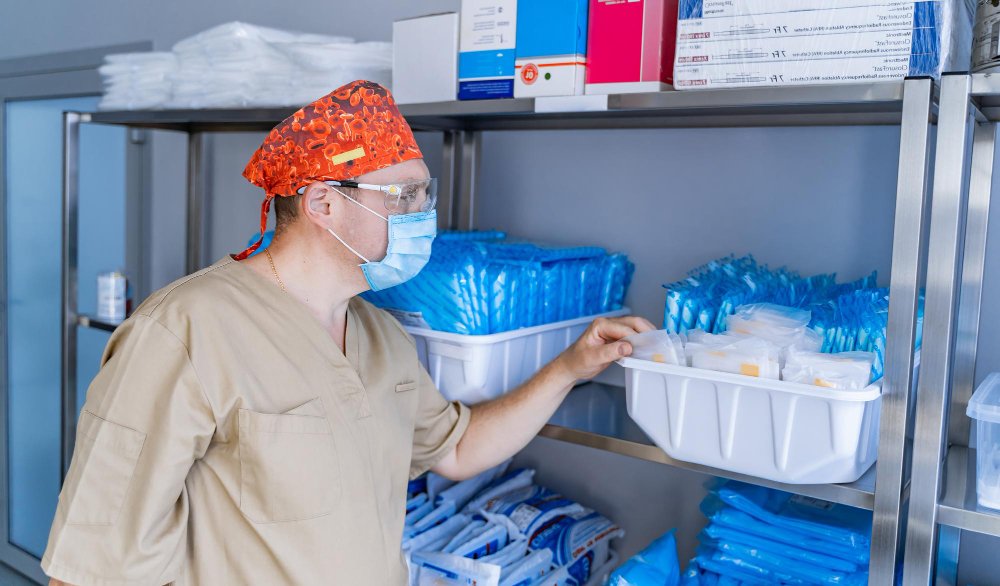
    In healthcare, keeping everything clean and safe is very important. Even one small mistake in handling surgical products can cause infections or other serious problems. That is why it is necessary to know the right way to store and handle disposable surgical items.

    Aarvi Touch is a trusted Disposable Surgical Product Supplier in Ahmedabad. We understand that patient safety comes first, and keeping products sterile is a big part of that.

    In this blog, we will share some simple and useful tips to store and handle disposable surgical products in the correct way. These tips will help you keep everything clean and safe to use. Whether you are a nurse, technician, hospital staff, clinic manager, or own a medical shop, this guide is for you. It will help you stop germs from spreading and keep your products ready to use.

    1. Why Sterility is So Important

    Sterile surgical devices are those that don’t contain any germs such as bacteria or viruses. Such devices are applied during operations, when infection in a surgical wound is cleaned, and in most medical procedures. They keep the patient safe from infections.

    If these items are not stored and managed properly, they will become soiled or contaminated. When they are not clean, they are no longer. If surgical items become contaminated or soiled, it can cause numerous issues such as:

    • Infection at the surgery site
    • Prolonged healing time for the patient
    • Increased treatment expense
    • Discomfort for hospitals, such as safety issues 
     

    That is why it is very important to take care of these products as soon as they reach your hospital or clinic. Keeping them clean and stored properly helps protect the health of patients and also keeps hospitals safe.

    2. Store in a Clean and Dry Place

    Always store disposable surgical items in a dry and clean location. Ensure the place is not dusty. Select the storage area with fresh air and not extremely hot. Place it away from sunlight, water, or any type of chemicals.

    The storage room ought to have the following easy guidelines:

    • The temperature ranges between 15°C to 30°C
    • There must be no water or moisture nearby
    • Use covered racks or closed cupboards to store the products
    • Do not place them close to the cleaning supplies or chemical bottles
     

    This will help keep the products safe from getting crushed and maintain their sterility (germ-free).

    3. Store the Packaging Safely and Closed

    Disposable surgical items are packed in sealed packets. The seal protects them from germs and damage. Do not open the packet until you want to use the item. After opening the packet, you must use the product immediately.

    Below are some easy tips to keep in mind:

    • Do not put heavy objects on top of the sealed boxes
    • Do not open the packet just to see what’s inside
    • Always handle the packet with clean and dry hands or gloves
    • In case the packet appears damaged or wet, do not use the product
     

    Following these steps keeps the product clean and safe until you use it.

    4. Follow First-In, First-Out (FIFO) Rule

    Always consume the older products first. This technique is known as FIFO, or First-In, First-Out. It implies that the products which arrived first should be consumed first, so they do not get spoiled or expire.

    To do this rule correctly:

    • Keep the new stock in the rear
    • Take the older stock to the front
    • Inspect the expiry dates regularly
    • Dispose of any expired items immediately
     

    This keeps your stock fresh and also prevents wastage.

    5. Store Products in Their Groups

    Different products are for different purposes in surgery. Therefore, it is easier to store them in groups. For instance:

    • Store gloves together in one shelf.
    • Store gowns and drapes in a different shelf.
    • Store syringes and needles separately.
    • Store surgical masks and caps separately.
     

    You can also write names on the shelves or boxes to know what is kept where. This makes it easy to find things quickly and helps avoid confusion, especially during urgent times. As a Surgical Product Supplier in Ahmedabad, Aarvi Touch always suggests using a simple inventory system. It helps staff know what is being used and when to order more.

    6. Limit Handling by Multiple People

    If too many individuals touch or handle the surgical materials, it is easy for them to become soiled or infected. Therefore, it is advisable to have a few trained individuals handle these materials. Such individuals ought to be aware of how best to care for the materials.

    They ought to acquire some simple guidelines such as:

    • Wash or clean their hands at all times before they touch anything
    • Wear gloves when opening any box
    • Don’t let fall or damage the products
     

    Staff in most hospitals receive brief training to learn how to safely handle medical products. If we take a bit of care initially, we can prevent many issues such as infection subsequently.

    7. Regularly Check the Storage Area

    Don’t assume things are fine just because the products are stored. It should be inspected every week or once a month. Ensure the temperature and humidity are appropriately set. Check around to determine if there are any rats or insects. Check also that no products are expired or damaged. Ensure all the shelves and containers are spotless. This little habit can assist you in discovering faults early before they become more significant problems.

    8. Don’t Mix Used and Unused Products

    This is a very common error, particularly in clinics or hospitals. Most often, used or already opened products are stored close to new and sterile ones. This may lead to infection since the new products become contaminated. To prevent this, keep utilized, opened, or damaged goods away from sealed and clean products.

    You can create two different boxes or spaces. One for “used” and one for “new”. Label them clearly so that every staff member knows and adheres to this rule without any difficulty.

    9. Emergency Kits and Mobile Carts

    Most hospitals employ mobile carts or emergency boxes for minor treatments or sudden emergencies. If your clinic or hospital employs them, remember the following:

    • Ensure the boxes are supplied with all required materials periodically.
    • All materials must be placed in sealed pouches so they remain clean.
    • Staff must always inspect the expiry date before using anything.
    • Clean the cart daily and keep it covered when not in use.
     

    Even though it is a mobile facility, it can still remain highly clean and secure if handled with care.

    10. Be Ready for Inspections

    Sometimes clinics or hospitals are inspected by their own staff or by health officers from the government. On such inspections, they always check how surgical supplies are stored and handled. If you have a clean storage area and all items are in their correct place, it reflects that your facility actually cares about safety.

    Record-keeping is also very useful. You can keep things such as:

    • Bought and used logs (to track what you have bought and used)
    • Lists of stock (to know what you have and what is missing)
    • Training records for staff (to demonstrate who has been trained on how to work safely)
     

    These documents are helpful not just at inspection time, but also in your day-to-day job and safety planning.

    Conclusion

    Keeping disposable surgical products clean and germ-free is not hard. It just needs some care and attention. If you store them in a clean place, handle them properly, and make sure your staff is trained well, it can help a lot. This keeps your patients safe and also makes your clinic or hospital look more professional.

    It does not matter if you have a small clinic or a big hospital. These simple steps can help protect your patients and your healthcare team. Aarvi Touch, a trusted Disposable Surgical Product Supplier in Ahmedabad, always tells medical staff to take care of surgical products just like they care for patients. Because safety always starts with small things.

    If you are searching for a good Surgical Product Supplier in Ahmedabad, choose one that gives importance to quality, cleanliness, and regular supply. Your patients deserve the best care every time.